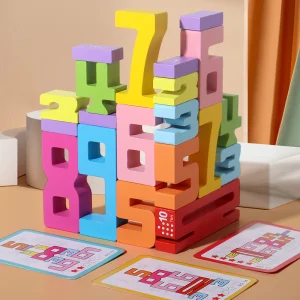
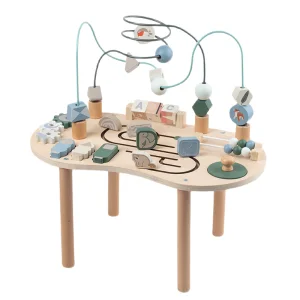
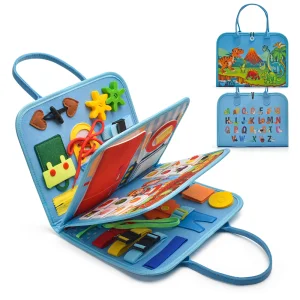
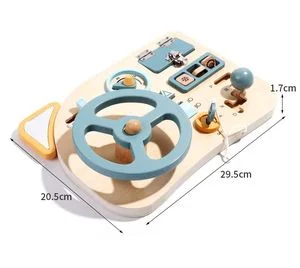
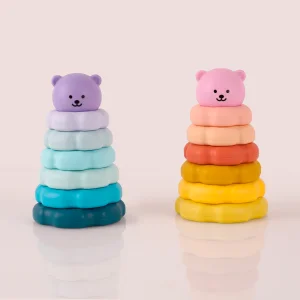
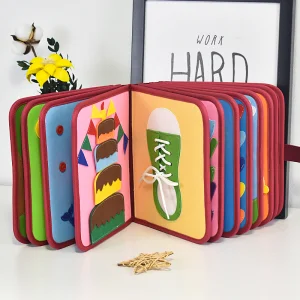
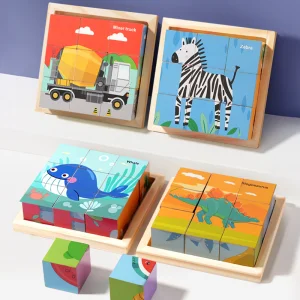
Engineered specifically for preschool classrooms, Montessori centers, and premium early childhood development programs in Kathmandu and across international distribution channels.
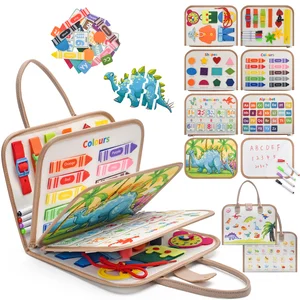
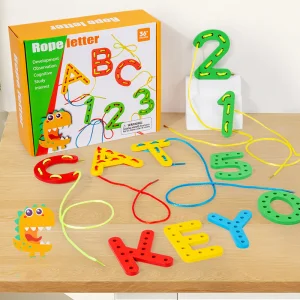
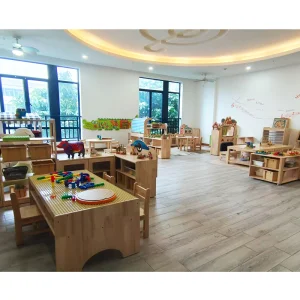
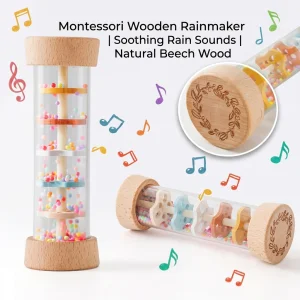
Kathmandu, the political, cultural, and educational heart of Nepal, is experiencing an unprecedented evolution in early childhood education (ECE). As urbanization expands rapidly across the Bagmati Province—including the Kathmandu, Lalitpur, and Bhaktapur metropolitan areas—there is a dramatic structural shift from traditional rote learning toward child-centered, sensory-rich pedagogical frameworks such as Montessori, Reggio Emilia, and Waldorf methodologies.
This educational transformation has triggered a surge in demand for non-toxic, high-durability wooden learning toys among private preschools, international academies, non-governmental organizations (NGOs), and affluent urban families. Historically, local artisans in Kathmandu have excelled in artistic woodcarving, intricate peacock windows, and spiritual statuary crafted from local Sal and Pine wood. However, converting this heritage handicraft industry into commercial-grade educational toy manufacturing presents technical and regulatory hurdles.
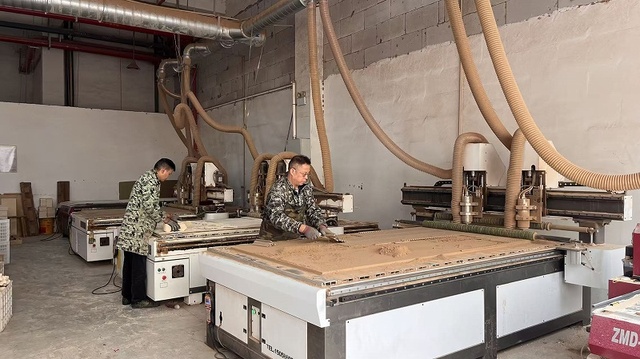
While local craftsmen produce beautiful artisanal items, standard local manufacturing often lacks automated kiln-drying kilns (necessary to achieve 8-12% moisture content to prevent cracking in Kathmandu's variable mountain humidity), zero-VOC water-based paint application technologies, and high-precision CNC routers capable of meeting EN71-3 and ASTM F963 chamfering/smooth-edge criteria. Consequently, educational institutions and commercial importers in Kathmandu increasingly rely on established global supply chains in China to fulfill high-volume, certified, and cost-effective product requirements.
The global educational toy market is undergoing a fundamental realignment. Driven by escalating awareness of microplastics, chemical leaching (phthalates, BPA, heavy metals), and environmental degradation, parents and institutional buyers worldwide are actively replacing plastic playthings with sustainable, renewable, and bio-degradable wooden alternatives.
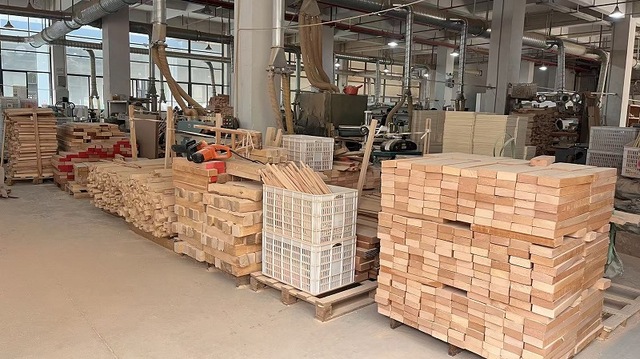
Modern buyers mandate FSC-certified beech wood, rubberwood, and pine sourced from responsibly managed forests. The shift to water-based polyurethane stains and organic oil coatings guarantees zero toxic emissions in early-stage oral-exploration play.
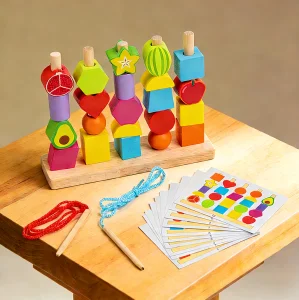
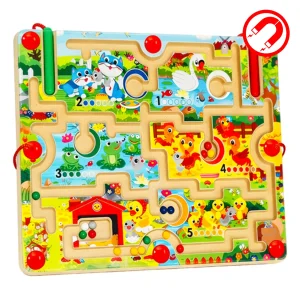
Open-ended wooden toys—such as threading blocks, magnetic balance mazes, and geometric stacking sorters—enhance spatial awareness, fine motor skills, logic, and early problem-solving capacity far superior to passive electronic screens.
Leading markets require rigorous adherence to EN71 (Parts 1, 2, 3), ASTM F963-17, ISO 8124, and CPSIA. Compliance guarantees smooth mechanical radii, bite resistance, zero small-part choking hazards, and heavy-metal-free pigments.
While local retailers and educational exporters in Kathmandu recognize the soaring demand for wooden toys, establishing fully integrated, automated factories locally requires massive capital expenditure in high-precision machinery, wood conditioning chambers, and international safety testing labs. This is where China's advanced manufacturing infrastructure provides an essential operational synergy.
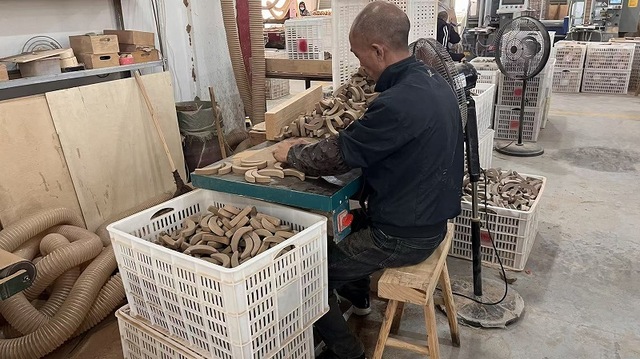
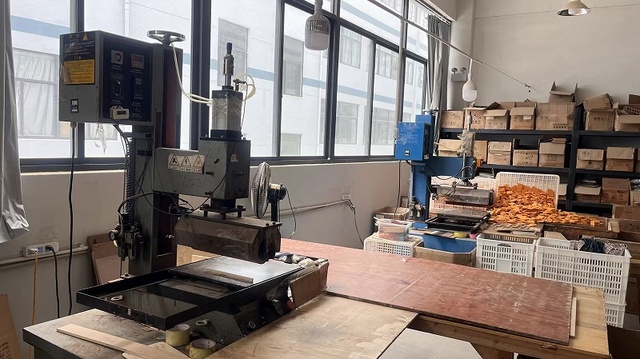
China manufactures over 70% of the world’s wooden educational toys. By leveraging mature industrial clusters, specialized raw material logistics, highly automated production lines, and economies of scale, specialized manufacturers achieve unmatched unit cost efficiencies without sacrificing stringent quality assurance.
For distributors, school suppliers, and B2B buyers in Kathmandu, partnering directly with leading Chinese manufacturers like Ningbo Joodle Toy Co., Ltd. offers direct access to enterprise-grade OEM/ODM services, low MOQs, rapid prototyping, and door-to-door transit solutions via overland dry ports (such as Rasuwagadhi/Tatopani) or maritime container lines via Kolkata Port to Kathmandu.
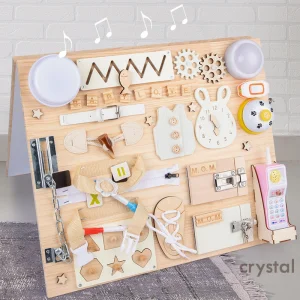
Leading early childhood networks in Jhamsikhel, Baluwatar, and Budhanilkantha require durable, heavy-duty wooden furniture, multi-functional activity busy boards, and stacking blocks that can withstand continuous institutional use while maintaining visual appeal and child safety.
International non-governmental organizations operating early development centers throughout rural and urban Nepal require cost-effective, durable, sensory-rich wooden tools (such as tactile mazes and alphabet threading blocks) that bridge language barriers and support multi-sensory development.
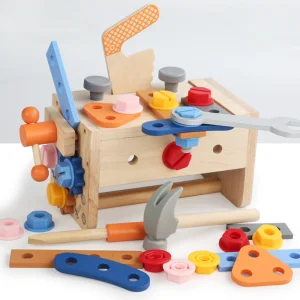
Premium hospitality establishments in Pokhara, Kathmandu Valley, and Chitwan are replacing plastic play items with aesthetically refined, eco-friendly wooden animal puzzles, rainmakers, and toolboxes in dedicated family play lounges.
When sourcing wooden learning toys for commercial distribution or institutional deployment, procurement officers must conduct multi-tier quality checks to safeguard brand reputation and end-user safety. Below is the industry-standard procurement evaluation matrix:
| Assessment Metric | Technical Standard / Requirement | Risk Mitigation Focus | Verification Method |
|---|---|---|---|
| Material Origin | FSC-Certified Beech, Rubberwood, New Zealand Pine | Prevents timber warp, cracking, and illegal deforestation | Chain of Custody (CoC) Certificates |
| Chemical Safety | EN71-3, ASTM F963 Heavy Metals & Phthalate Test | Prevents toxic exposure during toddler teething phase | SGS / TÜV Rheinland Lab Reports |
| Mechanical Integrity | Tension testing, Small parts cylinder test (ISO 8124-1) | Eliminates choking hazards and detachment of small beads/pegs | Physical Torque & Pull Testing Batch Audits |
| Surface Finishing | Precision Sanding (Grit 320+), Chamfered Radius Edge | Prevents wooden splinters and sharp edge injuries | Visual Inspection & Tactile Edge Audits |
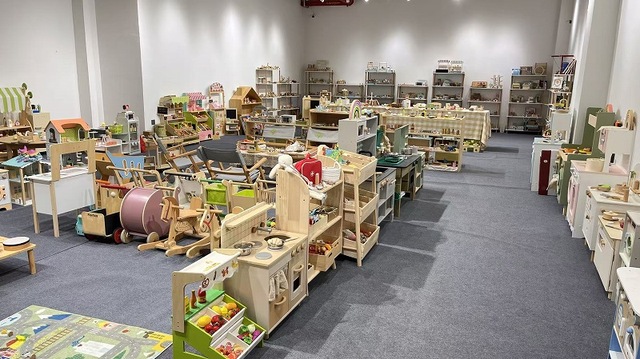
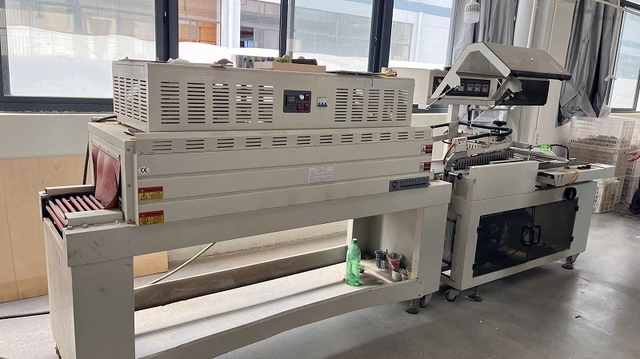
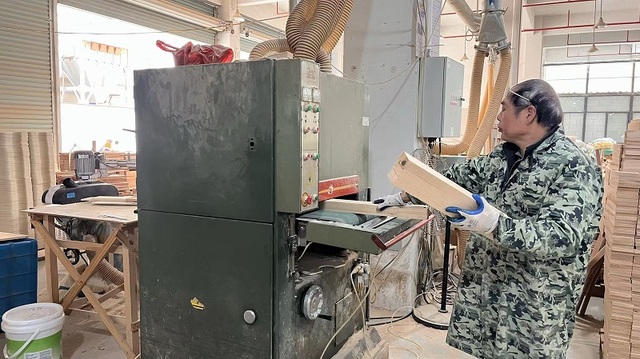
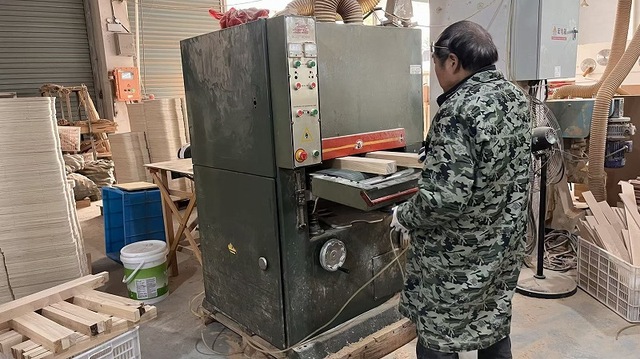
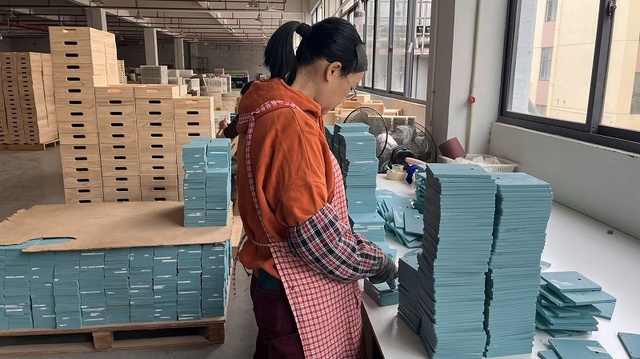
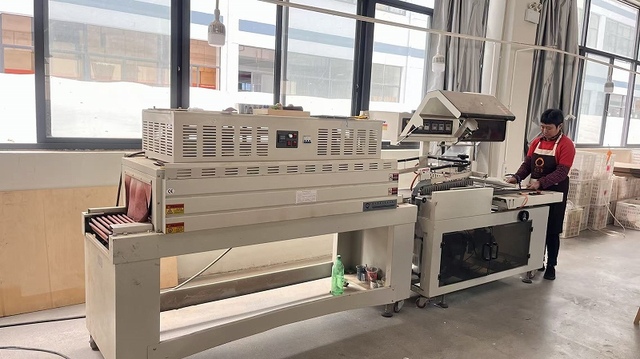
Importers in Kathmandu typically utilize either sea-land multimodal transport (shipping containers to Kolkata Port in India followed by overland transit to Birgunj Dry Port) or direct trans-Himalayan truck transport via the Tatopani/Rasuwagadhi border crossings. Ningbo Joodle Toy Co., Ltd. assists with all export documentation, customs invoices, and COO (Certificate of Origin) paperwork to streamline Nepalese customs clearance.
Kathmandu experiences wet monsoon seasons and dry winters. If wood is improperly seasoned, moisture changes can cause warping or cracking. Ningbo Joodle Toy utilizes state-of-the-art kiln-drying technology to stabilize timber at an optimal moisture ratio of 8-11%, ensuring durability across fluctuating climatic conditions.
We offer comprehensive OEM customization including custom color boxes, localized multi-lingual instruction manuals (English/Nepali/Spanish/French), laser-etched brand logos, specialized eco-friendly felt bags, and custom barcoding for seamless retail distribution.
All Joodle Toy products come backed by official laboratory testing reports covering EN71 Parts 1-3, ASTM F963, ISO 8124, and REACH standards. Test certificates are renewed regularly through accredited third-party labs like SGS and Intertek.
Explore our full suite of Montessori-aligned activity boards, sensory sorters, building blocks, and classroom furniture engineered for early developmental success.
Partner with Ningbo Joodle Toy Co., Ltd. for factory-direct pricing, certified safety compliance, and bespoke OEM/ODM manufacturing tailored for Kathmandu and international markets.
Send Inquiry Now Joodle Toy