In recent years, the importance of sensory development in children has gained significant attention. Research indicates that approximately 90% of a child's brain develops by age five. This period is crucial for sensory experiences, which lay the foundation for cognitive growth. Wooden toys have emerged as effective tools to enhance this development. But how do wooden toys support sensory development?
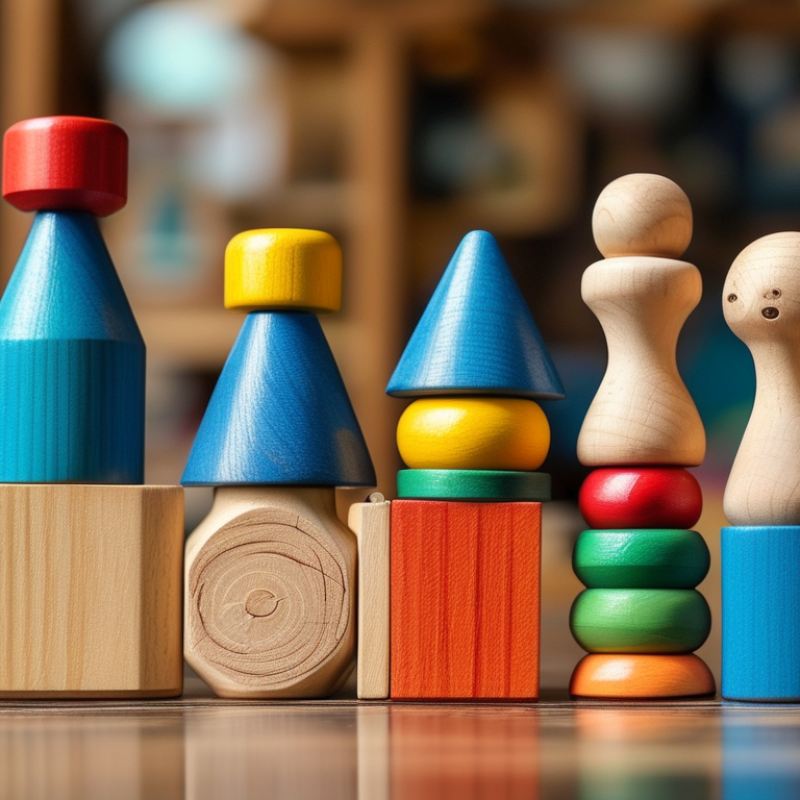
Wooden toys engage children through tactile experiences. Their texture, weight, and temperature provide varied sensory inputs that plastic toys may lack. For instance, studies have shown that tactile exploration leads to better fine motor skills. Additionally, many wooden toys feature vibrant colors and simple shapes, which visually stimulate young minds. A parent's choice of toys can impact a child's sensory exploration profoundly.
Despite the benefits, not all wooden toys are created equal. Parents must consider the quality and design. Some toys may not be safe or could be overly simplistic. The choice of what to provide will determine the effectiveness of sensory engagement. Overall, the role of wooden toys in nurturing sensory development is significant, but it requires careful consideration.
The Significance of Sensory Development in Early Childhood
Sensory development is crucial in early childhood. It lays the foundation for cognitive growth and emotional regulation. According to the American Academy of Pediatrics, 90% of brain development occurs before age five. Children use their senses to explore the world around them. This exploration enhances learning, improves coordination, and fosters creativity.
Wooden toys play a significant role in this developmental process. They are tactile and often have various textures, colors, and shapes. A study by the American Journal of Play found that children engaging with wooden toys showed improved fine motor skills. They can better grasp, stack, and manipulate. The physical nature of these toys encourages hands-on interaction. This interaction is vital for sensory growth.
Not all toys are created equal. Many plastic toys lack tactile experiences. They may be appealing visually but can hinder sensory exploration. For instance, children may become overly reliant on screens, reducing real-world interactions. By prioritizing wooden toys, caregivers can promote sensory engagement. They provide an opportunity for children to connect with their environment meaningfully. Encouraging this type of play can lead to better overall development in young children.
Understanding the Role of Play in Learning and Sensory Skills
Play is an essential part of childhood development. It fosters learning and growth in multiple areas. Wooden toys provide a tactile experience that plastic toys often lack. This natural material stimulates children's senses. They feel the texture, weight, and warmth of wood. These elements create a rich sensory environment. Children learn to explore and discover through play.
When children manipulate wooden toys, they engage in open-ended play. This allows for creativity and imagination. They can build, stack, or even invent games. Such activities enhance fine motor skills. Children practice hand-eye coordination, which is crucial for later tasks like writing. The simplicity of wooden toys encourages focused attention. They help children to remain present, enhancing mindfulness.
However, not all children respond to toys in the same way. Some may prefer bright colors or sounds. It's essential to observe individual preferences. Simply providing wooden options won't meet every child's needs. Engaging with them and noting their reactions fosters a deeper understanding of their sensory development. Emphasizing the unique learning styles in play creates a more effective learning atmosphere.
Characteristics of Wooden Toys That Promote Sensory Exploration
Wooden toys possess unique characteristics that significantly enhance sensory exploration in children. Their tactile appeal is one major factor. The natural texture of wood invites children to touch, feel, and explore. Unlike plastic, wood offers a warm sensation that feels inviting to small hands. Children often enjoy the varied surfaces, such as smooth wheels or rough edges, encouraging them to explore their surroundings more deeply.
The aesthetic qualities of wooden toys are equally crucial. Many wooden toys come in bright, engaging colors and playful shapes. This visual stimulation captures children's attention, prompting curiosity. When children engage with these toys, they can explore concepts like color, shape, and size. These elements can sometimes be overshadowed in overly complex or digitally-oriented toys.
Furthermore, the sounds produced by wooden toys can enhance auditory awareness. The soft clattering of wooden blocks or the gentle thud of a wooden car can be soothing and stimulating at once. However, while the sensory benefits are clear, some families may find that kids need guidance to maximize engagement. It's important to provide opportunities for creative play that fosters sensory exploration with these toys. Encouraging children to use their imagination with simple wooden forms requires thoughtful consideration from caregivers.
How Do Wooden Toys Enhance Sensory Development in Children?
| Characteristic |
Description |
Sensory Development Aspect |
| Texture Variety |
Different textures of wood provide tactile stimulation. |
Tactile Sensory Development |
| Natural Materials |
Non-toxic, eco-friendly materials promote safety. |
Safety & Exploration |
| Colors and Shapes |
Bright colors and diverse shapes stimulate visual recognition. |
Visual Sensory Development |
| Sound Features |
Some wooden toys have sound elements for auditory feedback. |
Auditory Sensory Development |
| Durability |
Long-lasting and withstand rough play, promoting exploration. |
Encouragement of Active Play |
Examples of Effective Wooden Toys for Enhancing Sensory Skills
Wooden toys offer a rich avenue for sensory development in children. Their tactile nature invites exploration. Children can feel the smooth grains and uneven edges of the wood. This hands-on experience stimulates their sense of touch. It encourages curiosity and creativity, which are vital for young minds. Unlike synthetic toys, wooden ones often have unique characteristics, promoting discovery.
Effective wooden toys come in various forms. Building blocks with different shapes engage a child’s spatial awareness. They learn balance while stacking and arranging. Meanwhile, pegboards with colorful pegs enhance hand-eye coordination and fine motor skills. Even simple puzzles foster problem-solving abilities while incorporating visual and tactile elements.
Exploring these toys can sometimes lead to frustration. Children may struggle to fit pieces together or stack blocks. These moments are valuable for their emotional growth. They learn patience and perseverance through challenges. Engaging with wooden toys not only supports sensory skills but also encourages reflection and emotional resilience.
Parental Guidance on Selecting and Using Wooden Toys for Development
When choosing wooden toys for children, consider their sensory benefits. Wooden toys come in various textures and shapes. Their natural materials can engage a child’s sense of touch. Parents should look for options that feel comforting and are easy to grasp. Different colors can also serve as a visual stimulus, drawing a child’s attention.
Using wooden toys effectively requires some thought. Encourage your child to explore the toy freely. Watch how they interact with it. You might notice they enjoy stacking blocks or sorting shapes. This play promotes fine motor skills and spatial awareness. Yet, not all children will engage the same way. Some might require guidance or additional motivation.
Enhancing sensory development isn’t a one-size-fits-all approach. It’s normal to find certain toys less appealing to your child. Reflect on their preferences and interests. This awareness can help inform your next purchase. The goal is to support their growth while honoring their individuality. Engaging with wooden toys offers both fun and valuable learning experiences for young minds.
Conclusion
Wooden toys play a crucial role in enhancing sensory development in children, particularly during early childhood. Sensory development is significant as it helps children interpret and interact with the world around them. Through play, children not only learn but also refine their sensory skills, making it essential to choose the right toys for optimal growth.
How do wooden toys support sensory development? They typically have unique textures, colors, and shapes that encourage exploration and tactile engagement. For instance, toys that promote stacking, sorting, and manipulation can enhance fine motor skills and sensory awareness. Effective wooden toys are designed to be safe and durable, offering diverse experiences that captivate young minds. Parents can foster developmental benefits by selecting appropriate wooden toys and engaging their children in play, turning learning into an enjoyable experience.

 Joodle Toy