Why are sustainable toys becoming more popular? The answer combines parental concern, environmental evidence, and changing expectations of brands. Deloitte’s 2024 Gen Z and Millennial Survey found that 62% of Gen Z respondents and 59% of millennials were willing to pay more for sustainable products and services. These figures cover more than toys, but they help explain why families increasingly notice a toy’s materials, packaging, and lifespan.
The environmental context is significant. The UN Environment Programme reported in 2023 that the world produces more than 430 million tonnes of plastic each year, much of it used briefly before becoming waste. Toys are only one part of this problem. Still, a cracked plastic figure or a box full of single-use packaging makes the issue tangible at home. The Toy Association’s industry trend reporting has also highlighted sustainability as an important consideration for toy businesses and consumers. Ellen MacArthur, founder of the Ellen MacArthur Foundation, advocates circular design: “design out waste and pollution, keep products and materials in use, and regenerate natural systems.” For toys, that can mean durable wooden pieces, recycled materials, repairable parts, or products designed to pass between children. Not every “eco” label tells the whole story. Materials, safety, durability, and end-of-life options deserve scrutiny, too. That nuance matters. This introduction explores why sustainable toys are gaining attention—and where good intentions still need better evidence.
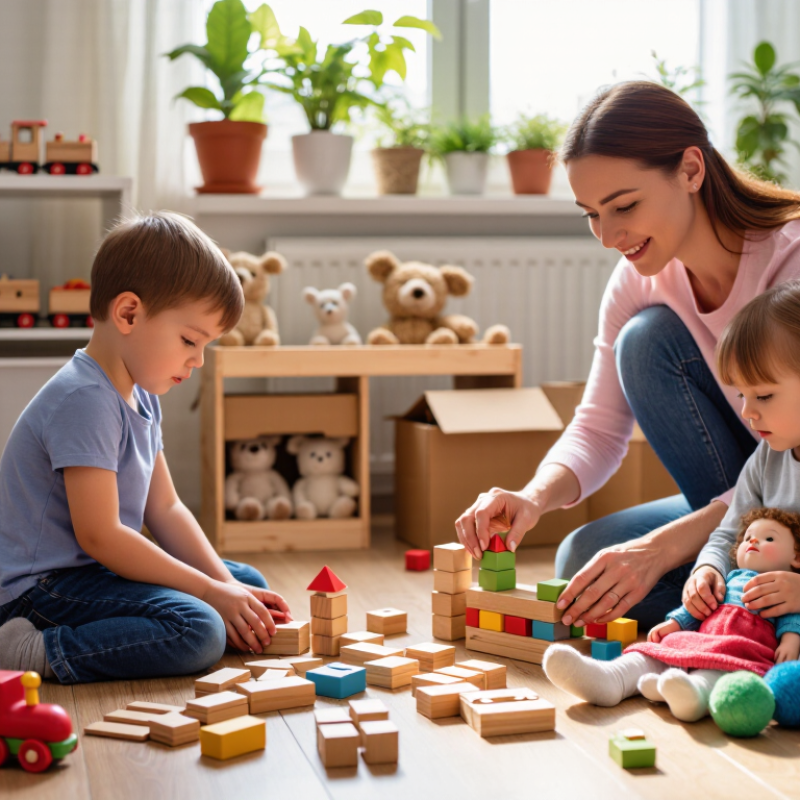
A sustainable toy is not defined by one material or a leaf-shaped logo. Labels can be fuzzy. A useful definition considers a toy’s whole life: what it is made from, how long it lasts, and what happens when play ends. Responsibly sourced wood, recycled plastics, and sturdy fabric may reduce demand for new resources, but none is automatically a better choice. A brittle wooden puzzle that cracks after a week is not a strong example. Neither is a toy with vague material claims and no care instructions.
Look for clear information about materials, coatings, and repair or replacement parts. A washable cloth doll, for instance, may stay in use through years of play; loose stitching can often be mended with a few careful stitches. Packaging matters too, especially when excess plastic surrounds a small item. Still, shipping, energy use, and product lifespan are not always visible on a box. “Natural” does not automatically mean durable, non-toxic, or responsibly sourced. Check age guidance and safety details alongside environmental claims. A cracked wheel, missing button, or frayed seam can reveal more about repairability than polished packaging.
| Dimension | What Defines a Sustainable Toy? | Why It Matters | Useful Indicators |
|---|---|---|---|
| Materials | Materials are chosen with attention to their source, processing, durability, and potential impacts across the toy’s life cycle. Examples may include certified wood, recycled content, or materials designed for long use. | Material choices affect resource use and waste. A material being natural or recycled alone does not establish that the finished toy is sustainable. | Material disclosure; credible certification where applicable; recycled-content information; evidence that materials meet relevant safety requirements. |
| Safety and chemical management | The toy is designed and manufactured to comply with applicable toy-safety laws and standards in the markets where it is sold. | A toy cannot be considered responsible if its materials or construction create avoidable risks for children. Requirements vary by market and product type. | Age grading and warnings; documented testing or conformity information; clear material and care instructions. |
| Durability and repairability | The toy is made to withstand repeated play, and parts can be maintained or replaced where practical. | Longer use can reduce the need for frequent replacement and help keep products in use for longer. | Robust construction; replaceable components; availability of repair guidance or spare parts; suitability for hand-me-down use. |
| Reuse and end of life | The design supports reuse, resale, donation, or responsible material recovery when the toy is no longer needed. | Products made from several inseparable materials can be difficult to sort and recycle. Reuse can extend a toy’s useful life. | Simple material combinations; detachable components; clear disposal guidance; options for reuse or take-back where available. |
| Packaging | Packaging is limited to what is needed to protect the toy and provide required information, with recyclable or responsibly sourced materials considered where suitable. | Reducing unnecessary packaging can cut material use and household waste, though packaging must still protect the product during transport. | Minimal packaging; clear material labeling; reduced plastic where practical; packaging designed for local recycling systems. |
| Production and transparency | Information is available about relevant materials, manufacturing practices, and the product’s intended care and lifespan. | Clear information helps caregivers compare products and assess environmental and social claims instead of relying on broad terms alone. | Specific, verifiable claims; disclosed material composition; relevant supplier or sourcing information; care and repair instructions. |
| Changing consumer priorities | Interest in sustainable toys often reflects a preference for products that are durable, safe, reusable, and made with more considered materials. | Caregivers may value toys that can be passed on, repaired, or used for a long time, alongside concerns about waste and product safety. | Look for specific product details and evidence rather than assuming that labels such as “green” or “eco-friendly” describe every aspect of a toy. |
Note: There is no single material or label that makes a toy sustainable. A more complete assessment considers safety, materials, durability, production, packaging, and what happens to the toy after use.
Consider its materials, durability, and end-of-life options together. One material alone cannot tell the whole story.
No. A sturdy wooden puzzle may last for years, while a brittle one can crack quickly. The finish matters too.
No. Recycled plastic or fabric can reduce demand for new resources, but construction and lifespan still count. Labels are incomplete clues.
Look for clear material and care information, secure seams, sturdy pieces, and available replacement parts. Check age guidance and safety details too.
See whether loose stitching can be mended or a missing part replaced. A frayed seam tells you something.
It can. Notice whether a small toy comes wrapped in excess plastic. Shipping and energy use are harder to judge.
Some cost more, and that may not fit every budget. A durable toy could replace several short-lived ones, but not always.
Check washing instructions and whether local recycling systems accept its materials. I might overlook this while shopping quickly. That matters.
Sustainable toys are designed to reduce environmental impact while remaining safe, durable, and enjoyable for children. They may be made from responsibly sourced wood, recycled materials, or other materials chosen to limit waste and pollution. Their production can also prioritize efficient use of energy and resources, thoughtful packaging, and fair working conditions.
Why are sustainable toys becoming more popular? Many families are paying closer attention to how everyday purchases affect the planet and the people who make them. These toys can help reduce reliance on newly produced plastics, encourage longer-lasting play, and support more responsible manufacturing. However, choosing and producing them can involve challenges: sustainable materials may cost more, availability can vary, and environmental claims may be difficult to assess. Consumers can look for clear information about materials, durability, and production practices, while manufacturers continue working to make responsible options accessible to more families.

 Joodle Toy