Organizing children's toys effectively can transform chaotic playrooms into serene spaces. Research from the American Academy of Pediatrics reveals that clutter can increase stress levels in children. An organized environment promotes focus and creativity. Experts emphasize the importance of a structured approach. “Children thrive when they have a place for everything,” says Stacey Kannenberg, a child development specialist.
Toys can easily accumulate and overwhelm both children and parents. How to organize children's toys effectively relies on strategic methods that blend functionality with fun. Reports indicate that nearly 70% of parents feel overwhelmed by toy clutter. Effective organization not only eases cleaning but also teaches children responsibility. Creating sorting systems and designated play areas simplifies the process.
Reflecting on personal organization struggles may help adults find solutions. Many families realize that a lack of organization can inhibit their children's emotional well-being. Adopting simple strategies can lead to a more engaged and guided playtime. By acknowledging messy habits, parents can create better environments for their children.
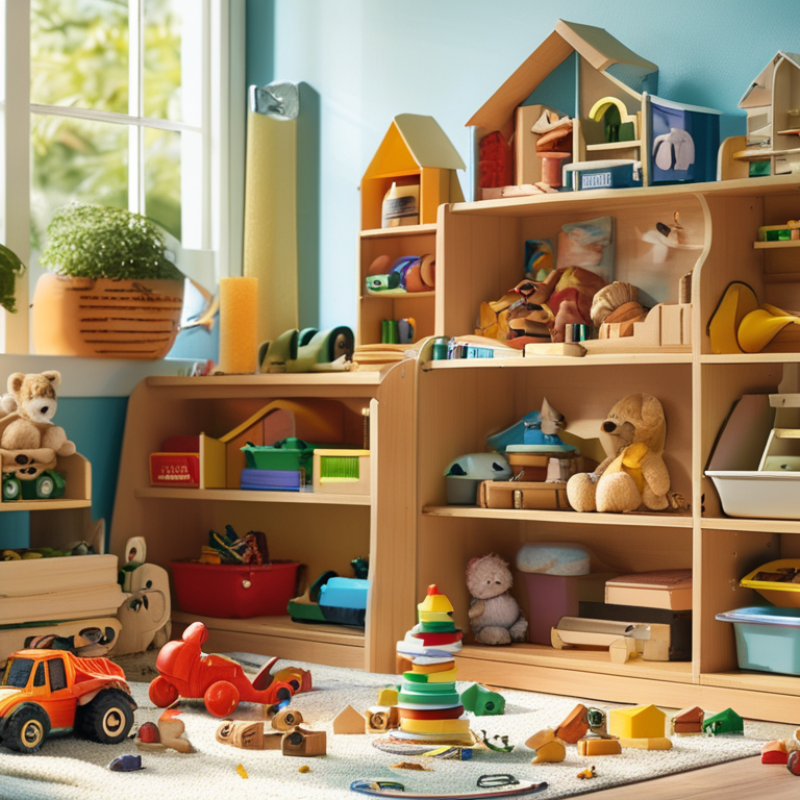
Organizing children's toys goes beyond mere tidiness. It plays a crucial role in a child's development. A well-structured play environment fosters creativity and independence. When toys are organized, children can find what they need without frustration. This enhances their problem-solving skills. It also teaches them about responsibility for their belongings.
Clutter can overwhelm young minds. An excessive collection of toys can lead to sensory overload. Children may struggle to focus or engage creatively when surrounded by chaos. Thoughtful organization helps reduce this stress. It provides them with a clean space to play freely. Ensuring that toys are sorted by type or purpose can encourage imaginative play. It allows children to explore their interests and encourages exploration.
Reflecting on your methods is vital. You might notice certain areas still feel cluttered despite your efforts. Consider the number of toys your child actually uses. If some remain untouched, it might be time for a donation. This not only simplifies organization but also teaches children the value of sharing. In the end, the aim is to create a joyful and age-appropriate environment that nurtures growth and learning.
When it comes to organizing children's toys, assessing your space is vital. A well-planned area can make a big difference. According to a survey by the American Cleaning Institute, 86% of parents struggle to manage their children's toys effectively. This often leads to clutter in areas that should be fun and inviting.
Start by evaluating the actual space available. Consider corners, under beds, or unused cupboards. Each location can serve as a creative storage solution. Research indicates that children are more likely to play in tidy environments, contributing to their mental well-being. A dedicated play area can boost creativity. However, it's essential to ensure that the space remains practical and accessible.
Another factor is the type of storage chosen. Open bins work well for younger kids, allowing them quick access. Meanwhile, shelving units could suit older children who can reach higher. Yet, not every solution will fit your needs perfectly. Regular reflection on what works and what doesn’t can turn a chaotic situation into an organized haven. Balancing aesthetics with functionality is key; it may require adjustments. The perfect setup may not exist, but exploring options allows for continuous improvement.
Sorting children's toys can transform chaos into order. Start by creating categories like building blocks, plush toys, and art supplies. This method helps children understand where things belong. Use clear bins or boxes for each category. Labeling these containers makes it easier for kids to participate in tidying up. They can see at a glance where to return their toys.
Consider the frequency of use. Toys that are played with often should be easily accessible. Store less popular toys out of sight. Rotating toys can also boost interest and engagement. It’s okay to let go of items that your child has outgrown or no longer enjoys. Reflecting on which toys hold sentimental value can be challenging, but it's worthwhile. Ensure the space is inviting yet functional, where your child feels involved in keeping their area tidy.
Organizing children's toys can be a daunting task. Selecting the right storage solutions can make all the difference. Research shows that clutter affects children’s ability to focus. A study by the American Psychological Association noted that excessive toys can lead to increased anxiety levels in kids. Choosing appropriate storage can promote a calming environment.
Bins, shelves, and boxes serve different purposes. Bins are ideal for soft toys, while shelves can hold books and games. A report from the National Study of Children's Play found that children engage more with toys that are easily accessible. Easy access encourages play and creativity, while a disorganized space can foster frustration.
However, not all storage solutions are equal. Some may not withstand the wear and tear of active play. Consider durability and safety. Also, assess your child's preferences. They may resist using storage that feels too complicated. Finding a balance between aesthetics and functionality is key. It’s essential to reflect on these choices and seek options that fit your family's lifestyle.
Teaching children to help with organization fosters responsibility. Research shows that involving kids in cleanup increases their sense of ownership over their space. According to a study by the American Academy of Pediatrics, children who participate in tidying up develop better organizational skills and show less anxiety about chaos.
Engaging children in the process makes it more enjoyable. Use colorful bins and labels to make sorting fun. Children aged 3-5 can easily learn colors and shapes. Teach them to categorize toys into groups, like cars, blocks, or stuffed animals. This hands-on approach encourages interaction, making cleanup less of a chore and more of a game.
However, it's essential to reflect on what works for each child. Some may struggle with the concept of organization. Others may resist the idea of tidying up altogether. Keeping a flexible approach helps. Assess and adapt the methods you use to keep things engaging. Consider setting small goals to celebrate successes, whether big or small. Regular reflection can lead to better long-term habits in children.
: Evaluate available areas like corners and under beds. Creative storage can reduce clutter effectively.
Open bins are ideal for younger kids, allowing easy access to their toys.
Create groups like building blocks, plush toys, and art supplies for easier organization.
Labels help children understand where toys belong, making tidying up more manageable.
Store less popular toys out of sight, keeping frequently used ones easily accessible.
Yes, letting go of toys no longer enjoyed is essential for decluttering.
Look into bins for soft toys; shelves work well for books and games.
Excess clutter can increase anxiety and hinder children's ability to concentrate.
Assess durability, safety, and your child's preferences when choosing storage options.
Regularly reflect on the effectiveness of your storage and make adjustments as needed.
Organizing children's toys effectively is crucial for fostering a positive play environment and teaching kids responsibility. To begin, assess your available space and choose the right area for storing toys, ensuring easy access and visibility. Sorting toys into categories can streamline the decluttering process, allowing for a more organized space.
Selecting suitable storage solutions, such as bins, shelves, and boxes, tailored to your child's needs will enhance the organization further. Involving children in the organization process is equally important; teaching them how to help with cleanup instills valuable habits and makes them feel a sense of ownership over their space. By following these strategies, you can create a more manageable and enjoyable play area for your children.
Joodle Toy