The importance of ensuring safe play for children cannot be overstated. According to the Centers for Disease Control and Prevention (CDC), wooden toys can harbor harmful bacteria. This risk has surged as parents seek eco-friendly options. Thus, knowing how to disinfect wooden toys naturally becomes crucial.
Data from the American Academy of Pediatrics shows that nearly 60% of childhood illnesses involve contact with contaminated surfaces. Wooden toys, although beloved for their durability and aesthetics, can easily collect dirt and germs. Using harsh chemicals may not be advisable, as children often put toys in their mouths. Natural disinfecting methods offer a safer alternative.
Many parents struggle with finding effective yet safe cleaning solutions. Vinegar and baking soda are popular choices, but their effectiveness may vary. Furthermore, these natural ingredients can have limitations in disinfecting tougher pathogens. Reflecting on these challenges can drive better methods for maintaining hygiene without compromising safety.
Understanding the Importance of Disinfecting Wooden Toys
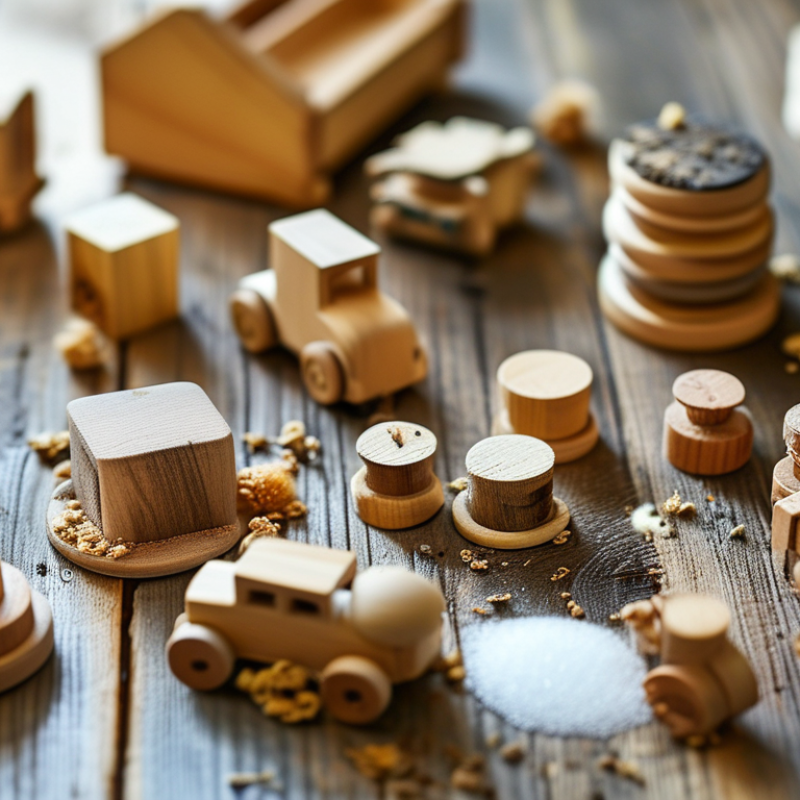
Wooden toys are beloved by children and parents alike. They are durable, safe, and often made of natural materials. However, over time, these toys can harbor germs and bacteria. This is why understanding the importance of disinfecting wooden toys is essential for maintaining a healthy play environment.
Children frequently put toys in their mouths. This can lead to the spread of harmful bacteria. Disinfecting wooden toys prevents potential infections and promotes safe play. Many parents may overlook this crucial aspect. They might think wooden toys are naturally clean due to their material. However, without proper care, dirt and germs can accumulate. It's important to regularly check and clean these beloved playthings.
Various methods exist to disinfect without harsh chemicals. A solution of vinegar and water can be effective. Use a soft cloth to wipe down the toys thoroughly. Allow them to air dry. This helps to ensure that your child’s playtime remains enjoyable and, more importantly, safe. Engaging in this routine shows consideration for your child’s health, making playtime both fun and worry-free.
Choosing Safe and Natural Disinfectants for Wooden Toys
When selecting safe and natural disinfectants for wooden toys, it’s crucial to prioritize non-toxic options. Recent reports indicate that children are particularly vulnerable to chemical exposure. Therefore, using natural alternatives helps ensure their safety during play. Common choices include vinegar, baking soda, and essential oils. Vinegar has been proven to kill some common bacteria, making it a solid choice for regular cleaning routines.
The process of cleaning wooden toys can be simple yet effective. A blend of vinegar and water, in a 1:1 ratio, can work wonders. Spray the mixture lightly on the toys, and wipe with a soft cloth. For deeper cleaning, a baking soda paste can be applied gently. Studies show that 80% of parents prefer using natural disinfectants over chemical ones, highlighting a growing awareness of safety. However, relying solely on home remedies may not always eliminate all germs.
Some families turn to essential oils like tea tree or lavender for their antibacterial properties. However, these should be diluted properly to avoid skin irritations. It's essential to note that not all wooden toys can be safely soaked in water or cleaning solutions. Reflecting on this, parents might realize that a mindful approach to cleaning is vital to balance sanitation and the longevity of toys.
How to Naturally Disinfect Wooden Toys for Safe Play?
| Disinfectant |
Ingredients |
Usage Instructions |
Effectiveness |
Drying Time |
| Vinegar Solution |
White vinegar, water (1:1 ratio) |
Spray on toys, wipe with cloth. |
Effective against bacteria and viruses. |
20-30 minutes |
| Baking Soda Paste |
Baking soda, water |
Apply paste, scrub gently, rinse. |
Cleans and deodorizes. |
30 minutes |
| Tea Tree Oil Solution |
Tea tree oil, water (5 drops per cup) |
Mix solution, spray, wipe off. |
Natural antibacterial properties. |
15 minutes |
| Lemon Juice |
Fresh lemon juice, water |
Apply, let sit, then rinse. |
Disinfects and freshens toys. |
20 minutes |
Step-by-Step Guide to Clean and Disinfect Wooden Toys
Keeping wooden toys clean is essential for children's health. Over time, toys can accumulate dirt, germs, and bacteria. It's crucial to follow a step-by-step guide for effective disinfection.
Start by wiping the toys with a damp cloth. Use warm water and mild soap. This removes surface dirt. Pay attention to cracks and crevices where grime might hide. Rinse the cloth frequently. After wiping, mix a solution of equal parts water and white vinegar. Vinegar is a natural disinfectant. Dip a clean cloth in the solution and wipe the toys again. Allow them to air dry completely.
For deeper cleaning, consider using baking soda. Create a paste with water and baking soda. Apply it to stained areas. Let it sit for about 15 minutes before rinsing. This method helps tackle stubborn stains but can leave a slightly gritty texture.
Regularly inspect your child's toys. Look for signs of wear and tear. Some toys may need replacement over time. Disinfecting is important, but it's also crucial to reflect on your cleaning methods. Not everything works the same for every toy. Be attentive and adjust your approach as needed.
Proper Drying and Storage Techniques for Wooden Toys
Proper drying and storage techniques are essential for maintaining the integrity of wooden toys. After disinfecting, ensure that the toys dry completely. Place them in a warm, airy space. Avoid direct sunlight, as this can warp or crack the wood. A drying rack can help air circulate around the toys, promoting even drying.
Tips: Use a soft cloth to absorb excess moisture after washing. Check for any damp spots before storage. If a toy feels wet, allow more drying time.
Once dried, store wooden toys in a cool, dry environment. Moisture can lead to mold growth and damage the wood. Consider using breathable storage containers. Avoid plastic bags that trap humidity, as they can accelerate wear.
Tips: Regularly inspect toys for signs of dampness or damage. Rotate the toys to ensure they all get used and checked. Encourage kids to keep toys in designated areas, helping them stay organized and dry.
Regular Maintenance Tips for Keeping Wooden Toys Germ-Free
Wooden toys are beloved for their durability and charm. However, they also require regular upkeep to stay germ-free. Research indicates that wooden surfaces can harbor harmful bacteria if not cleaned properly. A study found that up to 80% of toys in childcare settings had bacteria that could pose health risks. Regular maintenance of wooden toys is crucial for a safe play environment.
To maintain these cherished items, start with a simple cleaning routine. Wipe down toys weekly with a damp cloth. Use a mixture of vinegar and water for a natural disinfectant. This solution effectively reduces bacteria without introducing harmful chemicals. Additionally, regularly inspect toys for signs of wear and tear. Cracks can harbor dirt and germs, making it essential to replace damaged toys when necessary.
It's important to remember that while natural cleaners can be effective, they may not eliminate all germs. A 2021 report highlighted that wooden toys require different care compared to plastic ones. Wood can absorb moisture, which might lead to potential mold growth. Consider air-drying toys after cleaning to prevent this issue. The balance between maintaining cleanliness and keeping your toys safe can be challenging, but regular attention can make a significant difference.
FAQS
: Regular cleaning is essential. Inspect toys often, especially if they're frequently used.
Start by wiping the toys with a damp cloth and mild soap.
Yes, vinegar is a natural disinfectant. Mix equal parts vinegar and water.
Place toys in a warm, airy space. Avoid direct sunlight to prevent damage.
Use a baking soda paste. Apply it, let it sit, and then rinse off.
Moisture can cause mold and damage. Store toys in a cool, dry place.
Feel for damp spots. If toys feel wet, allow more time to dry.
Avoid plastic bags. They trap humidity and can accelerate wear.
Regularly inspect toys. Replace them when necessary to ensure safety.
Encourage kids to store toys in designated areas to keep them dry and organized.
Conclusion
Disinfecting wooden toys is crucial for ensuring safe play for children, as these toys can harbor germs and bacteria. Understanding how to disinfect wooden toys naturally is an essential step for parents and caregivers. Choosing safe, natural disinfectants such as vinegar or baking soda is advisable, as they effectively eliminate harmful pathogens without introducing harmful chemicals.
The article provides a step-by-step guide to clean and disinfect wooden toys, emphasizing the importance of proper drying and storage techniques to prevent water damage and mold growth. Additionally, it offers regular maintenance tips to keep wooden toys germ-free, ensuring they remain safe and enjoyable for children over time. By following these guidelines, caregivers can maintain a healthy play environment for their little ones.

 Joodle Toy