How Are Wooden Toys Manufactured for Global Buyers?

Time:2026-09-11 Author:Isabella
0%

How are wooden toys manufactured for global buyers? The answer begins with careful material selection, not colorful packaging. Responsible factories typically choose kiln-dried beech, maple, rubberwood, or certified plywood. Each board is inspected for moisture, cracks, knots, and warping. This step affects safety, durability, and the final surface.

Production usually moves through cutting, shaping, sanding, painting, assembly, and inspection. Computer-controlled routers create consistent forms, while skilled workers check edges by hand. A wooden train should feel smooth, with no sharp corners or loose wheels. Water-based paints and tested finishes help reduce unwanted chemical exposure. Small parts require special attention. They can create serious risks for young children.

Quality control is not one moment at the factory gate. Inspectors may review supplier records, batch samples, paint adhesion, surface splinters, and packaging strength. Independent laboratories can test toys against the requirements of their target markets. Buyers should request current reports, product specifications, and traceable production records. Documents matter.

Yet manufacturing is rarely perfect. Wood is a natural material, so minor grain differences remain visible. A rushed sanding cycle can leave rough areas. A beautiful sample may also hide inconsistent mass production. Experienced exporters therefore combine documented procedures with repeated physical checks. They investigate defects instead of simply replacing rejected pieces. This guide explores how are wooden toys manufactured, from raw timber to shipment, while considering craftsmanship, factory accountability, child safety, and the practical expectations of global buyers. Reliable production depends on honest communication, measurable controls, and continuous improvement. Not assumptions.
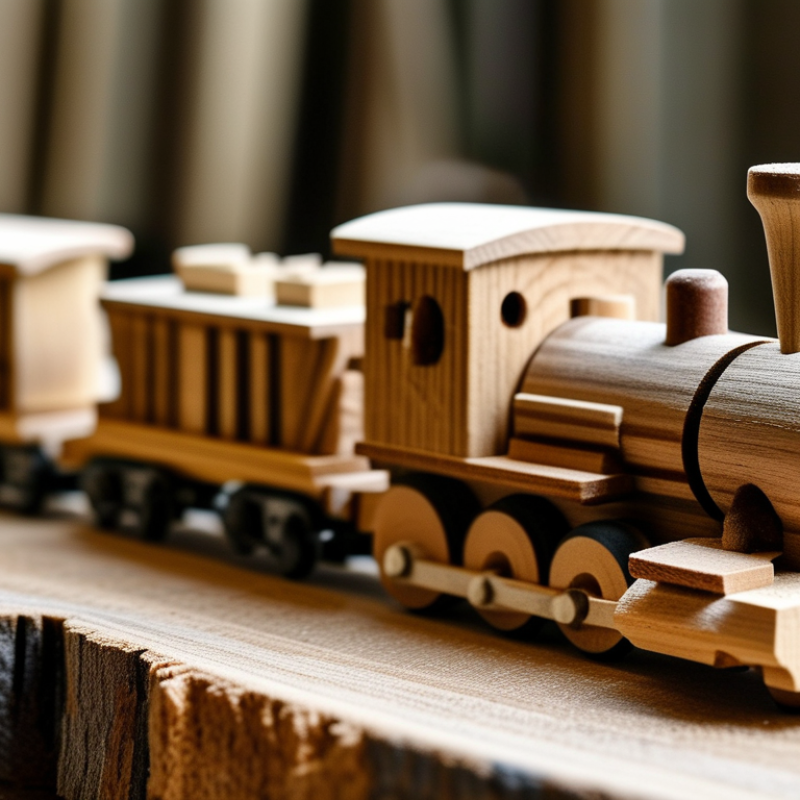
How Are Wooden Toys Manufactured for Global Buyers?

How Wooden Toy Designs Are Developed for International Markets

Designing wooden toys for international buyers starts with observing how children actually play. In factory workshops, I compare sketches with rough prototypes, not polished images. A small wheel may look attractive, yet fail on thick carpets. A painted handle may feel smooth, yet become slippery in humid rooms. Designers check grip size, balance, edges, and moving parts before discussing decoration. Safety shapes the concept. It is not an afterthought.

For global markets, one design rarely travels unchanged. Age recommendations, packaging language, color preferences, and play habits vary by region. A stacking toy may need larger pieces for one market and simpler instructions for another. Material choices also matter. Solid wood needs controlled moisture, clean sanding, and stable coatings. I ask suppliers for material records and batch samples, then inspect them under bright light. This step often reveals uneven color or tiny surface fibers. Small flaws can become customer complaints.

Testing should include children’s normal behavior, including dropping, twisting, and repetitive use. Designers record where prototypes confuse users. That feedback is valuable. It is also uncomfortable. A clever feature may be unnecessary or difficult to clean. I have learned to revise attractive ideas when they reduce durability or clarity. Independent review, traceable production notes, and market-specific safety checks improve confidence. Still, no process is perfect. A prototype can pass careful inspection and disappoint families at home. That gap deserves attention during every design review.

Which Materials and Safety Standards Guide Wooden Toy Production

How Are Wooden Toys Manufactured for Global Buyers?

Wooden toy production begins with material control, not decoration. Manufacturers often choose solid hardwood, plywood, or bamboo with stable moisture levels. Warped wood can create sharp edges and loose joints. The FAO’s Global Forest Resources Assessment 2020 recorded about 4.06 billion hectares of forest worldwide. Responsible sourcing still requires traceable documentation, not vague claims.

Coatings matter. Water-based finishes may reduce odor, but “non-toxic” is not a complete safety assessment. Testing should examine heavy-metal migration, phthalates, formaldehyde, flammability, and small detachable parts.

EN 71-3, ASTM F963, and ISO 8124 provide widely used testing frameworks for international buyers. Requirements differ by market, which complicates production. The European Safety Gate report for 2023 recorded 3,412 alerts overall, with toys among the frequently notified product categories.

A smooth surface is not proof of compliance. It may hide weak glue joints or unsafe paint layers.

Tips: Ask suppliers for recent laboratory reports, material declarations, batch records, and age-grade testing. Inspect corners, pull-test wheels, and measure small parts before shipment. Confirm that reports match the exact toy, coating, and production batch. One overlooked change can invalidate earlier results. Buyers should also review packaging warnings and instructions in the destination language. Mistakes happen. Reliable factories document them, investigate them, and improve the process.

How Wood Is Prepared, Cut, Shaped, and Assembled into Toys

Wooden toys begin with carefully prepared timber. Manufacturers check moisture levels before cutting, because damp wood may twist during production. Boards are kiln-dried, sorted, and examined for cracks or loose knots. Small knots matter. Good preparation improves safety and stability.

Cutting follows approved templates and measured drawings. Saws, routers, or CNC machines create accurate components, while trained operators inspect every batch. Edges are rounded, then sanded through several grades until they feel smooth. Shapes must look attractive, but they must also fit small hands comfortably. Parts are assembled with wooden dowels, screws, or suitable adhesive. Finishing usually includes tested, child-safe coatings. Final inspections check movement, surface quality, assembly strength, and loose pieces. No process is flawless. A slightly uneven surface can reveal a weak sanding step, so manufacturers should record and correct it.

Tips: Ask suppliers how they control wood moisture and dust. Request photos of cutting, sanding, and assembly stages. Confirm that coatings and finished toys receive appropriate safety testing. Clear inspection records build confidence with global buyers.

How Wooden Toys Are Painted, Tested, and Packaged for Export

Wooden toys for global buyers need controlled painting, careful testing, and export-ready packaging. The process starts with kiln-dried timber and smooth sanding. Workers inspect edges by hand. A tiny splinter can ruin an otherwise attractive product.

Factories usually apply water-based coatings in thin, even layers. Each layer must dry before the next one begins. Coating suppliers provide safety documentation, but factories should verify every batch. In the United States, surface coatings must meet the 90 ppm lead limit under CPSC rules. EN 71-3 testing also checks whether harmful elements migrate from painted surfaces. Colour can vary slightly between batches. That is normal, but unexplained variation deserves investigation.

Testing is not ceremonial. Laboratories may assess small parts, sharp points, torque, tension, and impact resistance under ASTM F963 or ISO 8124 methods. The CPSC’s 2023 Toy-Related Deaths and Injuries report recorded about 231,150 toy-related emergency-department injuries among children under 15. That figure keeps basic safety checks relevant. A passed report does not guarantee perfect production. We still sample finished toys, because assembly mistakes happen.

Packaging protects both the toy and its painted surface. Factories use separators, protective sleeves, and strong corrugated cartons. Export cartons may undergo compression, vibration, and drop testing through ISTA procedures. Humidity control matters during long sea shipments. Sometimes packaging becomes excessive. That is a weakness worth reviewing, especially when extra material adds cost without improving protection.

How Are Wooden Toys Manufactured for Global Buyers? - How Wooden Toys Are Painted, Tested, and Packaged for Export

Manufacturing Stage Main Activity Typical Control Data Relevant Test or Reference Export Documentation
1. Timber Selection Select dry, sound hardwood or softwood and remove pieces with excessive cracks, decay, or loose knots. Moisture content is commonly controlled at approximately 8–12% for indoor wooden products, depending on the destination climate. Visual inspection; moisture-meter measurement; supplier material records. Material specification, inspection checklist, and purchase records.
2. Cutting and Shaping Cut, route, turn, or machine components according to approved drawings and dimensions. Dimensional tolerance is defined by the product drawing; edges must be free from sharp points, splinters, and hazardous burrs. Calipers, gauges, visual inspection, and sample measurement. Approved artwork, technical drawing, first-article inspection report.
3. Sanding and Surface Preparation Smooth the surface and soften accessible corners before applying coatings. No visible splinters, raised fibers, or sharp accessible edges; surfaces should be clean and dust-free before painting. Hand-feel inspection, visual inspection, and cleanliness check. In-process inspection record and approved master sample.
4. Primer and Paint Application Apply water-based or other approved coatings by brush, spray, pad printing, or dip coating. Coating must be even, fully cured, and free from peeling, cracking, excessive runs, or exposed unfinished areas. Dry-film or cure verification where specified; visual color comparison; coating adhesion checks. Coating specification, batch or lot number, safety data sheet, and curing record.
5. Paint Safety Verification Confirm that paints, varnishes, inks, and coatings are suitable for the intended toy market. Restricted substances and migration limits depend on the destination market and the applicable toy-safety legislation. ASTM F963, EN 71, ISO 8124, CPSIA, and REACH may apply according to the destination market. Supplier declarations, laboratory test reports, and compliance assessment.
6. Assembly Join components using approved adhesives, dowels, screws, axles, magnets, or other specified parts. Parts must remain secure during normal use; moving parts should operate as designed without creating accessible pinch or cutting hazards. Torque checks, pull or tension tests, function checks, and visual inspection. Assembly inspection record and component traceability log.
7. Mechanical and Physical Testing Assess foreseeable use, abuse, small parts, edges, points, openings, and moving mechanisms. Pass/fail criteria are determined by the product age grade and destination-market standard; failed samples require corrective action. Age grading review, abuse testing, small-parts assessment, sharp-edge and sharp-point checks. Third-party laboratory report or internal pre-compliance report.
8. Final Quality Inspection Inspect appearance, function, dimensions, paint finish, accessories, labeling, and quantity before packing. Sampling plans may use ISO 2859-1 or an agreed AQL system; the inspection level and limits should be stated in the purchase specification. Visual, functional, quantity, and carton inspection against approved samples. Final inspection report, defect photos, packing list, and release approval.
9. Individual Packaging Protect each toy with a box, paperboard insert, paper wrap, or other approved retail packaging. Packaging must prevent abrasion, contamination, moisture exposure, and movement that could damage painted surfaces. Drop or transit simulation where required; packaging fit and barcode scan checks. Packaging artwork approval, labeling review, and barcode verification.
10. Master Carton Packing Arrange retail units in export cartons with dividers or cushioning when needed, then seal and identify each carton. Carton markings normally include product identification, quantity, gross weight, net weight, dimensions, country of origin, and handling symbols where applicable. Carton drop, compression, vibration, and pallet-stability checks according to the shipping plan. Packing list, commercial invoice data, carton specification, and shipping marks.
11. Palletization and Export Preparation Stack cartons securely, apply stretch film or straps, and prepare the shipment for container or air-freight handling. Wood packaging used in international trade may need to comply with ISPM 15 treatment and marking requirements. Pallet inspection, load-stability review, and shipping-document verification. Bill of lading or air waybill, packing list, commercial invoice, certificate of origin where required, and ISPM 15 evidence where applicable.
12. Traceability and Post-Shipment Control Retain production, inspection, material, and shipment records to support complaints, recalls, or market surveillance. Lot or batch identification should connect the finished toy with its materials, production date, inspection results, and destination shipment. Document review, complaint analysis, corrective-action tracking, and retained-sample checks. Batch records, retained samples, test reports, corrective-action reports, and recall procedure.

Note: Specific test methods, limits, labeling rules, age grading, and documentation requirements vary by destination country and product design. The applicable market standard should be confirmed before production and export.

How Manufacturers Manage Global Shipping and Buyer Requirements

Manufacturers of wooden toys must treat global shipping as part of production, not as an afterthought. Each order begins with a clear buyer requirement sheet. It records toy dimensions, wood type, finish, age guidance, packaging, labels, and delivery terms. Small details matter. A missing warning label can delay an entire shipment.

Experienced factories check moisture levels before packing. Damp wood may warp during sea transport. Finished toys are wrapped individually, then placed in strong cartons with corner protection. Carton size and weight are measured carefully because carriers calculate freight from both figures. Manufacturers also prepare commercial invoices, packing lists, certificates of origin, and other documents requested by the buyer or destination authority. Shipment terms must be confirmed in writing. Confusion over insurance or import charges creates avoidable disputes.

Buyer requirements often differ by market. Some buyers request independent safety testing, traceable materials, multilingual instructions, or recyclable packaging. Reliable manufacturers keep batch records and inspect samples before loading. They photograph cartons, seals, and pallet conditions for reference. This creates useful evidence if damage appears later. Still, no shipping plan is perfect. Ports can become congested, weather can affect schedules, and packaging may perform differently than expected. A practical manufacturer reviews delivery problems honestly and adjusts carton strength, labeling, or lead time for future orders. Clear communication remains essential from sample approval to final delivery.

FAQS

: How are wooden toy designs developed for international markets?

: Designers observe real play, then compare sketches with rough prototypes. They check grip, balance, edges, wheels, and moving parts. Looks can deceive.

Why must one toy design change between markets?

Age guidance, language, colors, packaging, and play habits vary by region. Some markets may need larger pieces or simpler instructions. Local checks remain necessary.

Which materials are commonly used for wooden toys?

Common choices include solid hardwood, plywood, and bamboo. Materials should have stable moisture levels and traceable records. Warped wood can create loose joints or sharp edges.

What should factories check before painting wooden toys?

Workers should kiln-dry timber and sand every surface carefully. They should inspect edges by hand under bright light. Tiny fibers matter.

Are water-based coatings automatically safe?

No. A water-based coating may reduce odor, but it is not complete proof. Testing should consider harmful-element migration, plasticizers, formaldehyde, and flammability. “Non-toxic” needs evidence.

What tests should wooden toys undergo?

Testing may cover small parts, sharp points, pulling, twisting, impact, and repeated use. Factories should test the exact toy, coating, and production batch. Earlier reports may become outdated.

How can buyers review supplier safety documents?

Buyers should request recent laboratory reports, material declarations, and batch records. They should compare documents with the finished toy. Paperwork can still miss assembly mistakes.

How are wooden toys packaged for export?

Separators, protective sleeves, and strong cartons help prevent scratches and breakage. Factories may use vibration, compression, and drop testing. Humidity also matters during long sea shipments.

Can a toy pass inspection and still disappoint families?

Yes. A prototype may pass careful checks but fail during ordinary home use. Children may drop it, twist it, or repeat the same action for weeks. No process is perfect.

Conclusion

Understanding how are wooden toys manufactured begins with thoughtful design for children in different international markets. Manufacturers develop age-appropriate shapes, functions, and themes while considering cultural preferences, play habits, and buyer specifications. They select suitable wood, such as responsibly sourced hardwood or engineered timber, and control moisture, strength, and surface quality. Production also follows relevant toy-safety requirements, including limits on sharp edges, small parts, coatings, and chemical content.

The manufacturing process typically includes drying and inspecting the wood, cutting it into components, shaping and sanding each piece, and assembling parts with secure joints. Toys are then finished with carefully selected paints or coatings, followed by inspections for durability, finish quality, and safe use. Before export, products are tested, labeled, packed with protective materials, and organized according to customer packaging needs. Manufacturers also prepare shipping documents, carton specifications, and delivery plans while coordinating with international buyers to meet order quantities, quality expectations, and destination-market requirements.

Isabella

Isabella

Isabella is a dedicated marketing professional with a sharp focus on driving brand growth and engagement through strategic content creation. With an extensive background in digital marketing, she combines her passion for storytelling with her keen understanding of industry trends to deliver......