How Many Toys Should a Child Have at One Time?

Time:2026-08-27 Author:Sophia
0%

When considering how many toys should a child have at one time, it is essential to strike a balance. Too many toys can overwhelm young minds. Children often lose interest when confronted with an excess of options. A manageable selection encourages creativity and imagination. It's not just about quantity; it's about quality and engagement.

Research suggests that children benefit from having a small, curated collection of toys. This allows them to focus and explore each toy more deeply. Parents should reflect on the types of play their children enjoy. Limiting the number of toys can enhance their learning experience. However, what feels "just right" can vary based on the child’s age and personality.

Ultimately, the question of how many toys should a child have at one time invites deeper conversation. Are we providing enough stimulation? Or are we simply cluttering their environment? Finding this balance can foster a more fulfilling playtime. Asking these questions makes us more attuned to our children’s needs and learning styles.
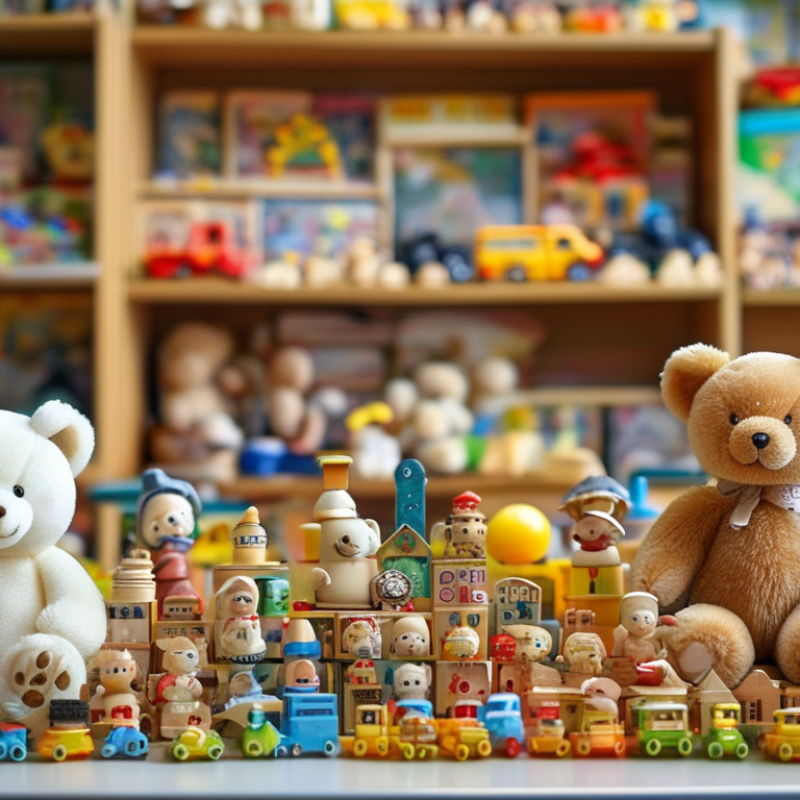
How Many Toys Should a Child Have at One Time?

Understanding Child Development and Play Needs

Children thrive through play, which is essential for their development. Research indicates that play aids in cognitive, social, and emotional growth. According to the American Academy of Pediatrics, children need an array of toys that stimulate imagination and support their developmental stages. This means an assortment of toys can enhance creativity and problem-solving skills but can also lead to overstimulation if children have too many options at once.

When considering the number of toys, balance is key. Experts suggest that toddlers benefit most from 6-10 engaging toys at a time. This limit allows children to focus and dive deeply into play without feeling overwhelmed. Too many toys can hinder their ability to engage fully. Limiting choices helps to foster patience and decision-making abilities. Research by the University of Iowa shows that fewer toys promote more meaningful play experiences.

Incorporating diverse types of toys is also crucial. For example, open-ended toys encourage imaginative play, while puzzles and building sets foster critical thinking. Observe how your child interacts with different toys and adjust accordingly. Playtime should be enjoyable, not a source of frustration. Consider rotating toys to maintain interest without an excess. Finding that sweet spot in toy quantity ensures that play remains beneficial rather than chaotic.

Factors Influencing the Number of Toys for Children

When considering how many toys a child should have, various factors come into play. Research suggests that cognitive development impacts the ideal number of toys. The American Academy of Pediatrics recommends limiting toy options to allow children to focus on one play activity at a time. Too many toys can overwhelm kids, hindering their ability to engage fully in play.

The age and developmental stage of the child are crucial factors. For infants, a few toys that stimulate their senses are sufficient. In a study published by the Journal of Developmental & Behavioral Pediatrics, it was noted that children aged 1 to 3 benefit most from having between 5 and 10 toys. This range helps narrow choices without causing distractions.

Additionally, the variety of toys plays a role in fostering creativity and exploration. Open-ended toys encourage imaginative play. According to a 2021 report from the Toy Industry Association, kids often play with fewer toys more intensely than with many toys briefly. This indicates that quality matters over quantity. Allowing children to select their toys fosters autonomy and personal expression, adding to their sense of responsibility. Balancing toy numbers based on these factors can create a more enriching play environment.

How Many Toys Should a Child Have at One Time? - Factors Influencing the Number of Toys for Children

Factor Description Recommended Number of Toys
Age Younger children benefit from fewer, larger toys for safety and ease of play. 5-10 toys
Developmental Stage As kids grow older, they can engage with more complex toys. 10-20 toys
Space Availability Limited space may necessitate fewer toys to keep the environment organized. 3-7 toys
Social Interaction Children may need more toys to facilitate play with siblings or friends. 15-25 toys
Child's Interests Toys that align with a child's hobbies can engage them more effectively. Varies greatly (7-30 toys)

Recommended Toy Limits by Age Group

When it comes to toys, age plays a crucial role in determining how many a child should have. For infants, a set of 3 to 5 toys is ideal. Soft blocks, rattles, and plush animals stimulate their senses without overwhelming them. Too many toys can lead to frustration. Babies benefit from focused play and exploration.

Toddlers thrive with a slightly larger selection. Around 7 to 10 toys keep their curiosity piqued. Building blocks, simple puzzles, and art supplies encourage creativity. However, ensure some toys are rotated out regularly. This prevents boredom and keeps the play environment fresh. Overexposure to toys can dull interest and excitement.

For preschoolers, consider a collection of about 10 to 15 toys. They can handle more complexity. Games that involve sharing and teamwork promote social skills. Yet, a cluttered play area can be confusing. Parents should reflect on their child's engagement. Are they playing or just moving toys around? Pay attention to their reactions and adjust the number accordingly.

Benefits of Minimalism in a Child's Toy Collection

Minimalism in a child's toy collection can lead to significant benefits for their development. Research by the American Academy of Pediatrics highlights that a cluttered environment can hinder a child’s focus and creativity. With fewer toys, children can engage more deeply with each item. They develop better imaginative skills and problem-solving abilities. Limiting toys encourages them to use their creativity, allowing for endless play possibilities.

A study published in the Journal of Child Development noted that children with 10 toys or fewer displayed higher levels of engagement. They spent more time with each toy, leading to deeper learning experiences. This approach fosters a sense of responsibility and ownership. Children begin to appreciate their belongings more, which can be an important lesson in value and care.

Reducing the number of toys isn't always easy. Parents may struggle with sentimental attachments or fear their child may miss out. It’s a shift in mindset. Stripping down clutter requires reflection on what truly holds value. A smaller collection can enhance a child's focus, but it also demands a commitment to conscious parenting. Choosing quality over quantity makes room for deeper relationships between children and their playthings.

Strategies for Choosing the Right Toys for Your Child

Choosing the right toys for your child can significantly impact their development. According to a study by the American Academy of Pediatrics, toys that promote interactive play foster social skills and creativity. It’s essential to consider the child's age, interests, and developmental stage when selecting toys. For infants, soft, colorful toys that stimulate their senses are ideal. As children grow, toys that encourage problem-solving, such as building blocks, become more beneficial.

When evaluating toys, consider their educational value. Research from the Toy Association highlights that 45% of parents prioritize educational toys. Look for options that challenge your child while being fun. Balance is key; children can feel overwhelmed with too many choices. An optimal strategy is to rotate toys periodically. This keeps the play environment fresh and engaging without excess clutter.

Engaging children in the selection process can also be helpful. Allow them to express their interests. This not only makes them feel valued but also enhances their decision-making skills. Ensure safety is a priority. Always check for age-appropriate ratings and avoid toys with small parts for younger children. Remember, the goal is to create an enriching play experience that supports growth and imagination.

How Many Toys Should a Child Have at One Time?

FAQS

: How many toys should infants have?

: Infants should have about 3 to 5 toys. This number stimulates senses without overwhelming them.

What is the ideal number of toys for toddlers?

Toddlers thrive with 7 to 10 toys. These toys should encourage creativity and curiosity.

How can too many toys affect children?

Excessive toys can lead to frustration. Kids may feel overwhelmed and less engaged in play.

What types of toys are best for preschoolers?

Preschoolers can handle 10 to 15 toys. Games promoting sharing and teamwork are especially beneficial.

How does toy variety impact a child's development?

A variety of toys fosters creativity. Open-ended toys encourage imaginative play and exploration.

Why should parents rotate toys?

Rotating toys prevents boredom. It helps maintain interest and keeps play areas fresh and exciting.

How can I involve my child in toy selection?

Let your child express their interests. This engages them and enhances their decision-making skills.

What should I consider when choosing toys?

Consider age, interests, and developmental stage. Educational value and safety are also crucial factors.

How can clutter affect a child's playtime?

A cluttered play area can confuse children. It’s important to reflect on their engagement while playing.

What is the main goal in providing toys for children?

The goal is to create enriching play experiences. This supports growth, creativity, and imagination.

Conclusion

The article "How Many Toys Should a Child Have at One Time?" explores the delicate balance of providing children with toys that support their development while avoiding overwhelming them. Understanding child development and play needs is crucial, as it shapes how children interact with their toys. Several factors, such as age, interests, and living environment, can influence the number of toys a child should have.

The article also provides recommended toy limits by age group, highlighting that less can often be more. Embracing minimalism in a child's toy collection can enhance creativity and focus, allowing for deeper engagement during play. Lastly, strategies for choosing the right toys emphasize quality over quantity, guiding parents to select items that truly enrich their child's play experience, ultimately addressing the question of how many toys should a child have at one time.

Sophia

Sophia

Sophia is a dedicated marketing professional with an exceptional depth of knowledge about her company's products and services. With a keen understanding of market trends and customer needs, she crafts insightful blog posts that not only inform but also engage readers, enriching the company’s online......