How to Choose Safe Wooden Toys for Children Today?

Time:2026-06-25 Author:Henry
0%

Choosing safe wooden toys for children is essential for parents today. Wooden toys can be beautiful, durable, and enjoyable. However, not all wooden toys are created equal. Concerns about safety and materials arise as parents navigate the toy market.

When considering how to choose safe wooden toys for children, it is crucial to look at the source of the wood. Ensure that the wood is sourced from sustainable forests. Pay attention to the finishing, as paints and stains should be non-toxic. Many manufacturers claim their toys are safe, but verifying their certifications is vital.

Engaging with other parents can provide insights into reliable brands. It’s important to challenge assumptions about what is safe. Many toys may seem appealing but might not meet safety standards. Investing in knowledge about safe wooden toys will enhance your child’s play experience while ensuring their safety.
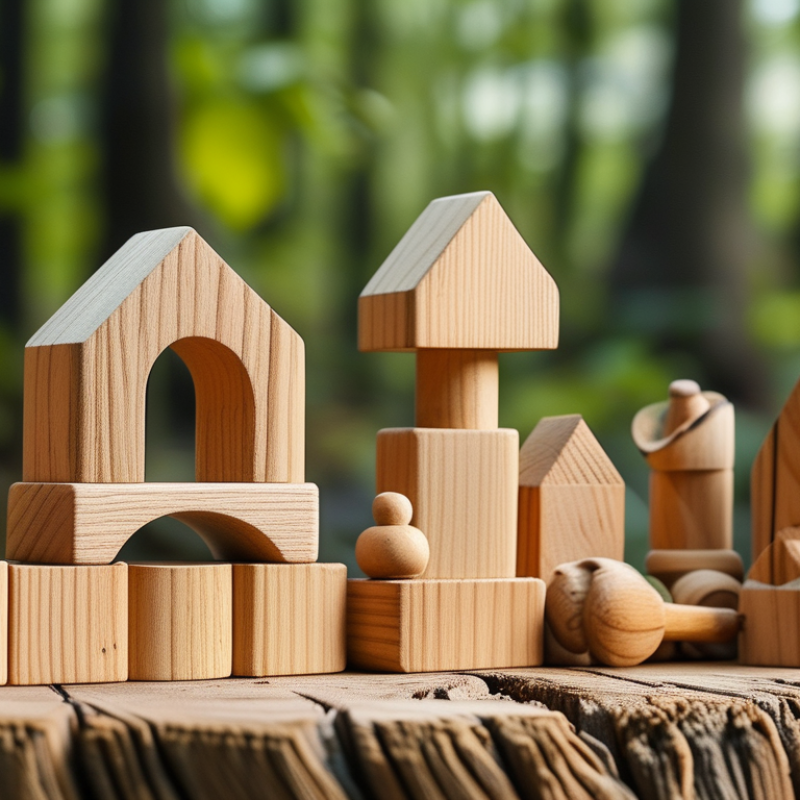
How to Choose Safe Wooden Toys for Children Today?

Understanding the Importance of Choosing Safe Wooden Toys for Children

Choosing safe wooden toys for children goes beyond aesthetics; it impacts their health and development. Research shows that children spend an average of 3 hours a day playing. During this time, they interact with various materials. According to a report by the American Academy of Pediatrics, toys made from untreated wood can be safer alternatives. Many plastic toys may contain harmful chemicals like BPA and phthalates. These substances can affect children's hormonal development.

Wooden toys often come with fewer risks. Many studies highlight the durability of wooden toys, promoting extended use and reduced waste. The European Toy Safety Directive enforces strict regulations on material quality. Manufacturers must adhere to safety standards, including tests for splinters and toxic paints. However, not all wooden toys meet these standards. The presence of splinters or unsafe finishes can pose risks.

Parents should prioritize transparent brands that disclose their safety tests. Checking for certifications on packaging aids in this regard. Not every wooden toy on the market is a safe choice. Exploring options requires diligence. Prioritizing genuine craftsmanship can lead you to more reliable choices. Always consider how a toy is made and its long-term impact on children’s health and learning.

Wooden Toy Safety Ratings by Material Type

This chart represents the safety ratings of different types of wooden toys based on material quality and treatment.

Identifying Non-Toxic Materials in Wooden Toy Production

When selecting wooden toys, parents should prioritize safety. Identifying non-toxic materials is vital. Look for toys made from hardwoods like maple or beech. These woods are durable and less likely to splinter. Avoid softwoods like pine, which may contain harmful substances.

Examine the finish on the toys. Non-toxic paints and stains are essential for child safety. Water-based finishes are generally safer than oil-based ones. Always check for certifications indicating safe manufacturing practices. Some toys might look appealing but could have questionable components. Be skeptical of vibrant colors that may signal toxic chemicals.

Keep in mind, some materials may not be transparent. For example, certain adhesives or fillers can pose risks. Research the production process to ensure it meets safety standards. Remember, it’s okay to ask questions. Engage with manufacturers or retailers about their safety measures. Your child's health is worth this extra effort.

Evaluating Age Appropriateness and Safety Standards for Wooden Toys

When selecting wooden toys, safety should always come first. Evaluating age appropriateness is crucial. Different age groups have varying developmental needs. Toys meant for toddlers should not contain small parts. Additionally, sharp edges or toxic finishes can pose a significant hazard. Always check for age recommendations on labels.


Another important aspect is safety standards. Look for certifications that indicate compliance with safety regulations. These include tests for choking hazards and the absence of harmful chemicals. Parents should be aware that not every toy meets stringent safety criteria. Regular checks for wear and tear are necessary, as damaged toys can become unsafe.


Many parents overlook details that could affect safety. Consider how a toy might be used or misused. A beautifully crafted wooden doll may be ideal, but its small button eyes could be a risk. Reflect on these elements when choosing toys. Prioritize safety to ensure a fun, secure playtime experience for your children.

Recognizing Labels and Certifications for Safe Wooden Toys

When selecting safe wooden toys, understanding labels and certifications is essential. Look for seals that indicate safety compliance, like EN71 or ASTM. These certifications assure you that toys meet strict safety standards. The ASTM reports that over 80% of recalled toys in recent years lacked compliance with safety regulations. This emphasizes the importance of checking these labels.

The type of wood used also matters. Toys made from hardwood, like maple or beech, are less likely to splinter. However, softwoods may not be as durable. The American Association of Pediatrics suggests choosing toys that are free from toxic finishes. Low-VOC coatings or natural oils are preferable. It helps protect children from harmful substances that may be present in their toys.

Despite the availability of certifications, not all toys undergo rigorous testing. Some manufacturers may bypass these safety standards. Potential risks, such as choking hazards from small parts or lead in paint, can go unnoticed. Diligently inspecting products can prevent accidents. Parents should remain informed and vigilant. Knowledge about safety certifications is crucial for making safe choices.

Tips for Inspecting Wooden Toys for Quality and Safety Features

When selecting wooden toys, parents must prioritize safety and quality. A study by the American Academy of Pediatrics suggests that 1 in 3 toys tested fails safety standards. Inspecting wooden toys carefully is crucial to ensure they meet these standards. Look for toys labeled as non-toxic and free from harmful chemicals like BPA and lead.

Check for craftsmanship details. Smooth edges and strong joints indicate better quality. Wooden toys should not have splinters. Toys without small detachable pieces are safer for younger children. A report from the Consumer Product Safety Commission highlights that choking hazards are a leading cause of toy-related injuries. By focusing on these features, caregivers can make informed choices for their children.

Additionally, consider the manufacturing origin. Many countries have stringent toy safety regulations. Toys made in countries with strict compliance are generally safer. However, not all manufacturers adhere to these regulations. Thus, being vigilant about inspections is important. Scrutinizing each toy's safety features may seem tedious but is essential for children’s well-being.

FAQS

: What should I look for in safety labels for wooden toys?

: Look for seals like EN71 or ASTM. These indicate safety compliance.

Why is the type of wood important in toys?

Hardwoods like maple or beech are less likely to splinter. Softwoods may be less durable.

Are all wooden toys rigorously tested for safety?

No, some manufacturers skip safety standards. This increases risks for children.

What coatings should I avoid on wooden toys?

Avoid toys with toxic finishes. Low-VOC coatings or natural oils are safer options.

How can I identify high-quality wooden toys?

Check for smooth edges, strong joints, and the absence of splinters. Quality matters.

Are small detachable pieces safe for young children?

No, toys without small parts are safer for younger children to prevent choking hazards.

How important is it to inspect wooden toys for safety?

It's vital. Many toys fail safety tests, so thorough inspection is necessary.

Does the manufacturing origin affect toy safety?

Yes, countries with strict regulations usually produce safer toys. However, not all comply.

What are common risks in wooden toys?

Potential risks include choking hazards and toxic materials. Regular inspection helps reduce these risks.

Is it worth scrutinizing each toy's safety features?

Yes, though it may seem tedious, it is essential for ensuring children's safety and well-being.

Conclusion

When considering how to choose safe wooden toys for children, it's crucial to understand the significance of selecting non-toxic materials. Parents should prioritize wooden toys made from sustainable sources that avoid harmful chemicals. Being aware of age appropriateness and compliance with safety standards is essential to ensure that the toys are suitable for a child's developmental stage.

Additionally, recognizing labels and certifications that guarantee a product's safety is vital for informed purchasing decisions. Lastly, inspecting wooden toys for quality and safety features such as smooth edges and sturdy construction can help ensure they provide a safe play experience. By following these guidelines, parents can confidently choose safe wooden toys that promote healthy play and learning for their children.

Henry

Henry

Henry is a dedicated marketing professional with a profound expertise in the company's offerings. With years of experience in the industry, he possesses an impressive understanding of the market dynamics and consumer behaviors that drive success. Henry is committed to sharing his insights through......