Choosing the right toys for children is crucial in today's eco-conscious world. As parents seek options that are both fun and sustainable, understanding how to choose eco-friendly toys for kids becomes essential. Expert Dr. Sarah Johnson, a leading advocate for sustainable play, states, "Toys made from natural materials not only benefit the environment but also promote healthy play for children."
The market is flooded with choices. Many toys are marketed as green, but they may not always be safe. It's vital to consider the materials used. Look for toys crafted from wood, organic cotton, or recycled materials. Be cautious of plastic items that may contain harmful chemicals. Children deserve safe, enjoyable experiences that do not come at the cost of their health or the planet's.
Reflecting on our choices can be challenging. It’s easy to get attracted to colorful, branded toys without considering their impact. Parents must ask questions and research before making a purchase. Sustainable toys can be a bit more expensive, but the long-term benefits outweigh the initial costs. Making informed choices leads to a healthier planet for future generations.
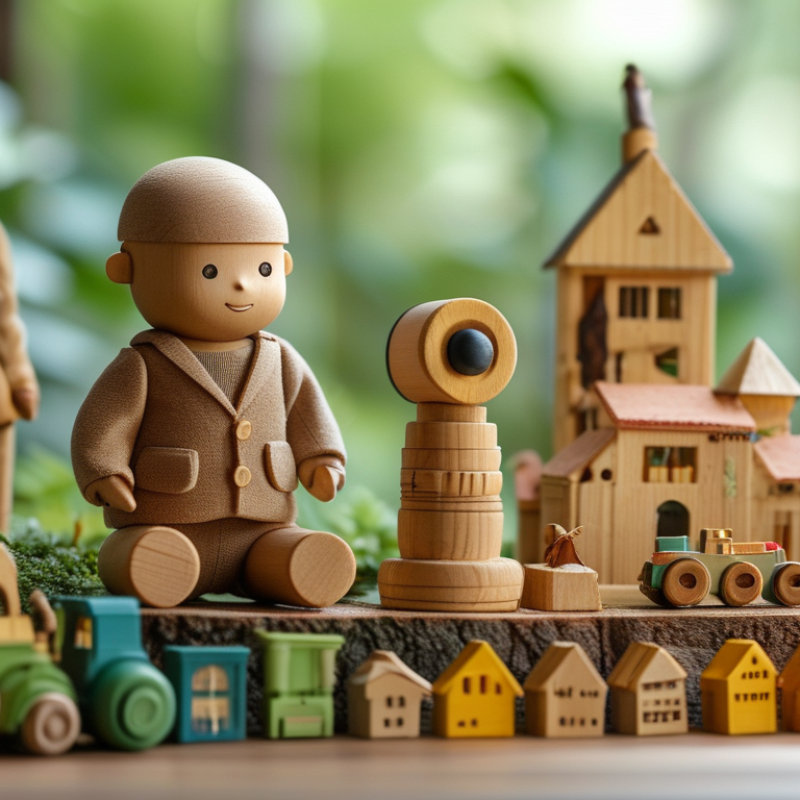
When considering eco-friendly toys, it’s essential to understand what makes them sustainable. Eco-friendly toys usually come from natural, renewable materials. Wood, organic cotton, and biodegradable plastics are common choices. These materials reduce environmental impact compared to conventional toys. They also often avoid harmful chemicals, ensuring safety for children.
Sustainability involves more than just materials. Production processes play a critical role. Eco-friendly toys should be manufactured using energy-efficient methods. Fair labor practices also matter. These aspects contribute to overall sustainability. Parents might find it challenging to access accurate information about brands and their practices. This lack of clarity can lead to confusion when making decisions.
Not all eco-friendly toys are equally beneficial. Some may still pose risks if not properly vetted. The absence of certification labels can be concerning. Reliable sources of information on toy safety are crucial. Parents should look for toys that promote creativity and learning, too. A focus on longevity is vital, as toys designed to last reduce waste.
When selecting eco-friendly toys for children, materials are crucial. Look for safe and non-toxic options. Various materials can be sustainable and safe. Natural wood, organic cotton, and recycled plastics should be prioritized. These materials enhance safety and reduce environmental impact. A toy made from untreated wood can be a great choice. It is durable and biodegradable.
Check for certifications. Non-toxic paints and finishes also matter. Choosing toys with clear labeling can help in making informed decisions. However, not all brands provide this information. It can be confusing for parents. Some toys may claim to be eco-friendly but still contain harmful chemicals. Look for certifications from trusted organizations to ensure safety.
Pay attention to packaging too. Recyclable or compostable packaging reduces waste. It's easy to overlook this aspect. A toy’s lifespan matters as well. Will it break quickly or last long enough to be passed down? These questions deserve reflection. Opt for toys that encourage creativity and exploration. They often have lasting value beyond their physical components.
When selecting eco-friendly toys, ethical manufacturing practices play a crucial role. Many consumers overlook the production processes behind the toys. It's essential to understand how and where toys are made. This awareness not only supports sustainability but also promotes safe and healthy play for children.
Pay attention to materials. Look for toys made from organic, non-toxic substances. Avoid plastic and synthetic materials, which can harm the environment. Use materials like wood, cotton, or bamboo. They are often better for children and the planet.
Consider labor practices. Are workers paid fairly? Are they working in safe conditions? These questions matter. Ethical manufacturing ensures that the people behind toy production work under humane conditions. This reflects on the quality and integrity of the toy itself. Remember, a toy's value goes beyond play. It embeds values of respect and care for both people and the environment. Choosing wisely can lead parents to toys that foster good practices in children.
| Toy Type | Materials Used | Recyclability | Manufacturing Practices | Certifications |
|---|---|---|---|---|
| Wooden Blocks | Sustainably sourced hardwood | Yes | Fair trade, non-toxic finishes | FSC Certified |
| Organic Cotton Stuffed Animals | 100% organic cotton | Yes | Fair Labor practices, natural dyes | GOTS Certified |
| Recycled Plastic Toys | Recycled HDPE | Yes | Environmentally friendly production processes | Recycled Content Certification |
| Biodegradable Play Dough | Natural flour and colorants | Yes | Locally sourced ingredients | ASTM Certified |
| Bamboo Puzzles | Moso bamboo | Yes | Sustainable harvesting practices | Bamboo Verified |
When selecting eco-friendly toys, age appropriateness is crucial. For infants, focus on soft, organic materials that are safe to chew. These toys should be free from harmful chemicals. Natural rubber or untreated wood can be excellent options. Vibrant colors and diverse textures engage babies’ senses effectively. At this tender age, simple shapes and rattles promote exploration.
Toddlers require toys that can stimulate their growing creativity. Look for building blocks made from sustainable wood. They can enhance fine motor skills and imaginative play. Plush toys filled with natural fibers are also great for comfort. Always check for any small parts that could pose a choking hazard. Engaging them in play requires careful attention to safety.
Preschoolers might enjoy toys that encourage interaction, like puzzles or art supplies. Choose products made from recycled materials whenever possible. Encourage critical thinking through eco-friendly games. Reflect on your selections; not all eco-friendly toys are equally engaging or safe. It’s important to balance sustainability with fun to ensure a rewarding play experience.
Choosing eco-friendly toys for children is not just about sustainability. It's vital to consider longevity. Research shows that 75% of parents want durable toys that withstand wear and tear. High-quality materials matter. They not only enhance safety but also ensure that toys can be passed down to younger siblings or friends.
When selecting toys, opt for those made from sustainable resources like wood or organic cotton. These materials often last longer than plastic. Timeless designs also help; they encourage imaginative play regardless of trends. A study conducted by the American Academy of Pediatrics indicates that open-ended toys promote creativity and can be enjoyed for years.
Tips:
Check for certifications. Look for labels indicating safety standards, such as ASTM or EN71. Not all toys meet these criteria. Additionally, consider multifunctional toys. They evolve with the child’s growth, creating ongoing value. Avoid toys with small parts for younger children. They can be a choking hazard and are often discarded quickly. Balancing safety, durability, and play value is essential in selecting the best eco-friendly toys.
: They ensure safety and support sustainability. It's vital to know how and where toys are made.
Choose toys made from organic, non-toxic materials like wood, cotton, or bamboo. Avoid plastic.
Look for signs of fair pay and safe working conditions in manufacturing. These aspects affect quality.
Durable toys last longer and can be reused or passed down. They hold value over time.
Yes, certifications like ASTM or EN71 ensure toys meet safety standards. Not all toys have them.
Opt for open-ended designs and multifunctional toys that grow with your child. They encourage imaginative play.
Avoid toys with small parts. They can be choking hazards and are often discarded quickly.
Prioritize materials, safety certifications, and timeless designs. This helps create lasting value for the child.
When it comes to how to choose eco-friendly toys for kids, understanding the principles of sustainability is crucial. Eco-friendly toys are typically made from safe, non-toxic materials that are better for the environment. Identifying these materials upfront ensures that the toys are not only safe for children but also reduce harmful impacts on the planet.
Additionally, evaluating production practices is essential; ethical manufacturing processes contribute to the sustainability of toy production. Parents should also consider age appropriateness, as different age groups have varying needs and safety requirements. Finally, selecting durable and timeless toys will help maintain longevity, making them a worthwhile investment for both children and the environment. By following these guidelines, parents can make informed choices that promote sustainability while providing quality play experiences for their children.

Joodle Toy