When it comes to ensuring the safety of wooden toys, understanding what certifications should wooden toys have is crucial. Parents and caregivers often prioritize safety, as these toys are meant for children. A lack of proper certifications can pose risks.
Various certifications exist to guide manufacturers and consumers alike. These include EN71 for European safety standards and ASTM F963 for U.S. regulations. Each certification ensures that toys meet specific safety criteria, such as non-toxicity and durability. Familiarity with these certifications helps parents make informed choices.
However, not all manufacturers comply with these standards. In some cases, toys may appear safe yet lack proper certifications. This raises concerns about reliability. It's essential for consumers to research and select brands that uphold safety regulations. Investing time in understanding these certifications can help avoid unsafe products that endanger children's well-being.
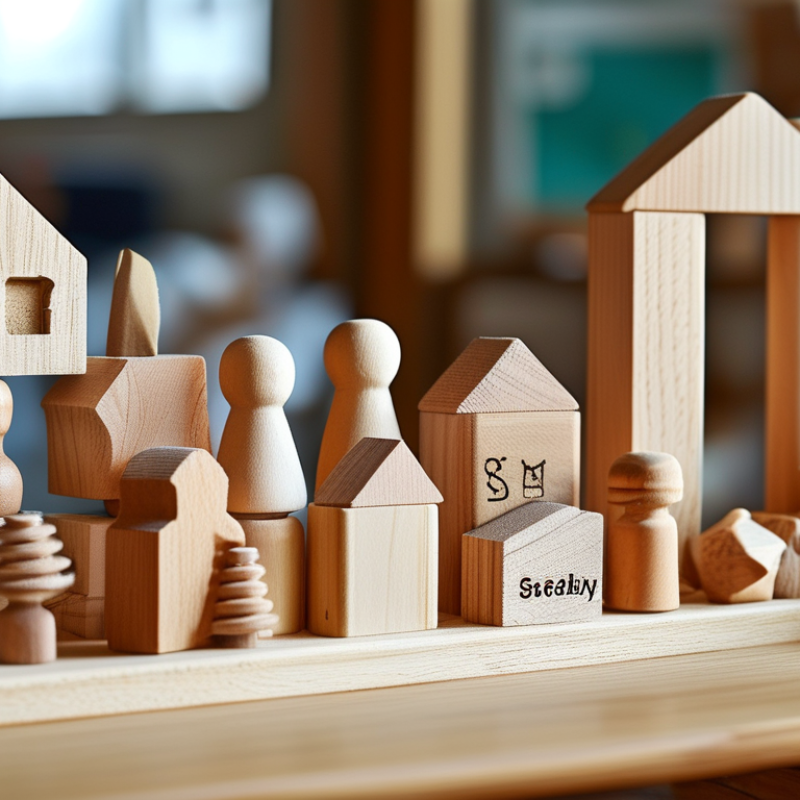
When it comes to wooden toys, safety is paramount. Various certifications ensure that these toys meet strict safety standards. One of the most recognized certifications is the EN71 standard. This European norm assesses mechanical safety and toxic substances in toys. According to a 2021 report by the International Toy Safety Coalition, 30% of recalled toys failed to meet this standard, highlighting its importance.
Another crucial certification is ASTM F963 in the United States. This standard focuses on toy safety, particularly for children under 14 years old. It encompasses aspects like physical and mechanical properties, flammability, and chemical requirements. A survey revealed that 25% of parents check for ASTM certification before purchasing toys. This statistic reflects a growing awareness of safety among consumers.
Certifications are not perfect. Some manufacturers may cut corners during production. This could lead to safety risks that go unnoticed. Regular audits and transparency in the certification process are essential. They can prevent unsafe products from entering the market. By choosing toys with recognized certifications, parents can ensure a safer playtime for their children.
When it comes to wooden toys, safety is a paramount concern. There are several key standards that govern their manufacturing. The EN 71 and ASTM F963 standards are essential in ensuring that toys meet specific safety criteria. These standards assess various aspects of toys, such as mechanical properties, flammability, and toxic substances. Compliance is not just a formality; it’s crucial for protecting children.
Wooden toys often come into contact with children’s mouths. Therefore, materials used must be free from harmful chemicals, including lead and phthalates. Manufacturers must also pay attention to paint and finishes. These must be non-toxic and durable. Regular inspections should be part of the manufacturing process, but enforcement is sometimes lax.
The path to compliance can be challenging. Many manufacturers may not fully understand the requirements. Keeping up with changing regulations can be overwhelming. Like any industry, there are those who cut corners. Ensuring safety should always be a priority, but it’s not without its struggles. Companies must engage with experts and invest in training to truly meet these standards.
Testing wooden toys for safety is essential. Standards vary globally but commonly focus on physical and chemical safety. Testing methods include both mechanical and chemical analyses to prevent harm.
Mechanical tests check for sharp edges, small parts, and durability. These ensure toys can withstand rough play. Chemical tests assess harmful substances like lead. Reliable labs often conduct these tests using established protocols.
Despite strict regulations, some toys still pass through quality checks. This raises questions about compliance. Manufacturers must prioritize thorough testing to ensure children’s safety. Transparent practices can help build consumer trust. Regular audits and updated testing methods are vital for maintaining safety.
When it comes to wooden toys, the use of non-toxic materials is essential. Research from the American Academy of Pediatrics indicates that children are particularly vulnerable to harmful substances. Toys that contain toxic chemicals can lead to serious health issues, including developmental delays and other chronic conditions. This concern heightens the importance of certifications that ensure safety in materials used for children's toys.
Certification systems like ASTM F963 and EN71 set the standards for safety in toys. These certifications often focus on the chemical composition of the materials. For example, acceptable limits for lead and phthalates are clearly defined. In fact, the limit for lead in children's toys is set at 90 parts per million. Each certification aims to provide assurance that a toy is safe for child use, but the criteria can vary. While many manufacturers strive to meet these standards, not all take the extra steps needed to ensure non-toxic materials.
Colorants and finishes on wooden toys can pose additional risks. Some finishes contain heavy metal compounds, raising concerns. Industry experts emphasize the need for transparency in material sourcing. A thorough understanding of these certifications helps caregivers make informed choices. By advocating for toys made with non-toxic materials, we promote a safer play environment for children.
When it comes to ensuring the safety of wooden toys, several regulatory bodies play a crucial role. Organizations such as the American Society for Testing and Materials (ASTM) outline safety standards specifically for toys. These standards address hazards that could harm children. Compliance with ASTM guidelines is essential for manufacturers aiming to produce safe toys.
Moreover, the U.S. Consumer Product Safety Commission (CPSC) enforces regulations concerning toy safety. Their guidelines cover issues like choking hazards and toxic materials. Manufacturers must adhere to these strict requirements to avoid recalls and ensure children's safety. Regular testing and certification by accredited labs provide an added layer of assurance. However, it is essential to remain vigilant, as not all manufacturers may prioritize safety.
In Europe, the EN71 standard governs toy safety. Compliance with this standard indicates that a product meets specific requirements. Although many companies aim for certification, inconsistencies exist in implementation. Quality control measures can vary significantly among manufacturers. This inconsistency highlights the need for parent awareness when selecting wooden toys for their children.
| Certification | Standards Involved | Regulatory Body | Scope of Certification |
|---|---|---|---|
| EN 71 | Safety of Toys | European Committee for Standardization (CEN) | General toy safety requirements |
| ASTM F963 | Standard Consumer Safety Specification for Toy Safety | American Society for Testing and Materials (ASTM) | Safety for toys intended for children |
| ISO 8124 | Safety of Toys | International Organization for Standardization (ISO) | Safety requirements for toys |
| CPSIA | Consumer Product Safety Improvement Act | U.S. Consumer Product Safety Commission (CPSC) | Lead content and phthalates in toys |
| TÜV Certification | Toy Safety Standards | TÜV Rheinland | Assessment of toy safety |
: The EN 71 and ASTM F963 standards ensure toys meet specific safety criteria for children.
Children are vulnerable to harmful substances. Non-toxic materials prevent health issues like developmental delays.
Regular inspections are crucial, yet enforcement can sometimes be lax. This raises safety concerns.
Manufacturers must avoid harmful chemicals like lead and phthalates in toy materials.
Keeping up with changing regulations can be overwhelming. Many may not fully understand requirements.
Caregivers should look for certifications like ASTM F963 and EN71 before purchasing toys.
Not all manufacturers take the extra steps needed for non-toxic materials. Some may cut corners.
Some finishes may contain heavy metals. Transparency in material sourcing is essential.
Certification criteria can differ, impacting the safety assurance for each toy significantly.
Companies must engage experts to meet safety standards. Without proper training, compliance may suffer.
When considering what certifications should wooden toys have, it is crucial to understand the various types of safety certifications that ensure compliance with industry standards. The key standards governing wooden toy manufacturing focus on the use of non-toxic materials, durability, and safety from small parts or sharp edges. Testing methods for safety typically include assessments for mechanical hazards and chemical content, ensuring that toys are safe for children.
Moreover, regulatory bodies play a vital role in overseeing wooden toy safety certifications, providing guidelines and frameworks that manufacturers must adhere to. The importance of using non-toxic materials cannot be overstated, as it directly impacts the health and safety of young users. By ensuring that wooden toys meet these rigorous safety certifications, parents can have peace of mind regarding the toys they choose for their children.

Joodle Toy